The Indo‑Tibetan Border Police (ITBP) has signalled a significant overhaul of its training and operational strategy following recent confrontations with Chinese forces in Arunachal Pradesh, its director‑general, Shatrujeet Kapur, said on 22 October. The announcement, made at the Himveer Samman Samaroah held at the Central Training College (CTC) in Alwar, Rajasthan, placed fresh emphasis on elite units, drone warfare and hardened defences.
“In the past few‑days, a situation arose where face‑off happened at several locations in Arunachal and it still continues. Our Shaurya commandos played an exemplary role in this.” — Shatrujeet Kapur, ITBP director‑general
What the ITBP has announced
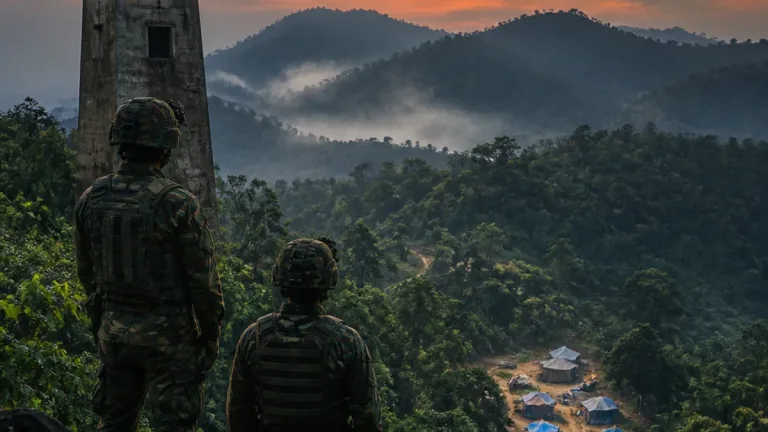
Kapur described the newly raised Shaurya commandos as having performed “exemplary” work during the recent face‑offs that he said are ongoing at multiple points in Arunachal Pradesh. He told the Himveer Samman ceremony that the force is preparing to alter how it trains and fights along the Line of Actual Control (LAC), though he did not publish a detailed timeline or a list of specific equipment changes at the event.
- Training overhaul — the ITBP will review its training curriculum at the Central Training College and other centres to reflect lessons from recent deployments.
- Shaurya commandos — the elite formation, recently raised, will have a stepped‑up role in forward face‑offs, the DG said.
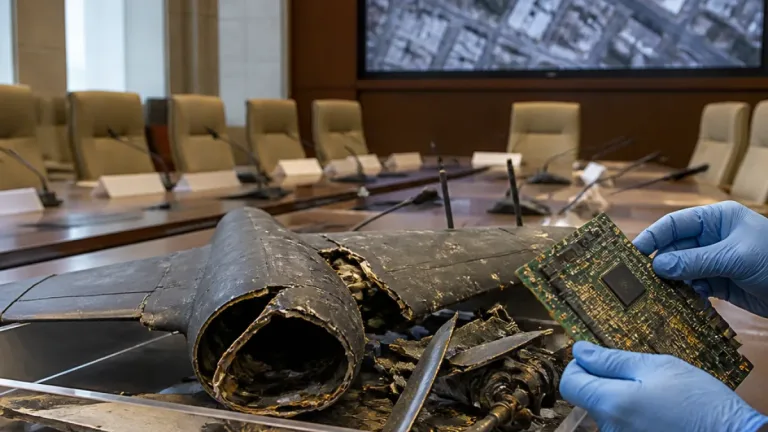
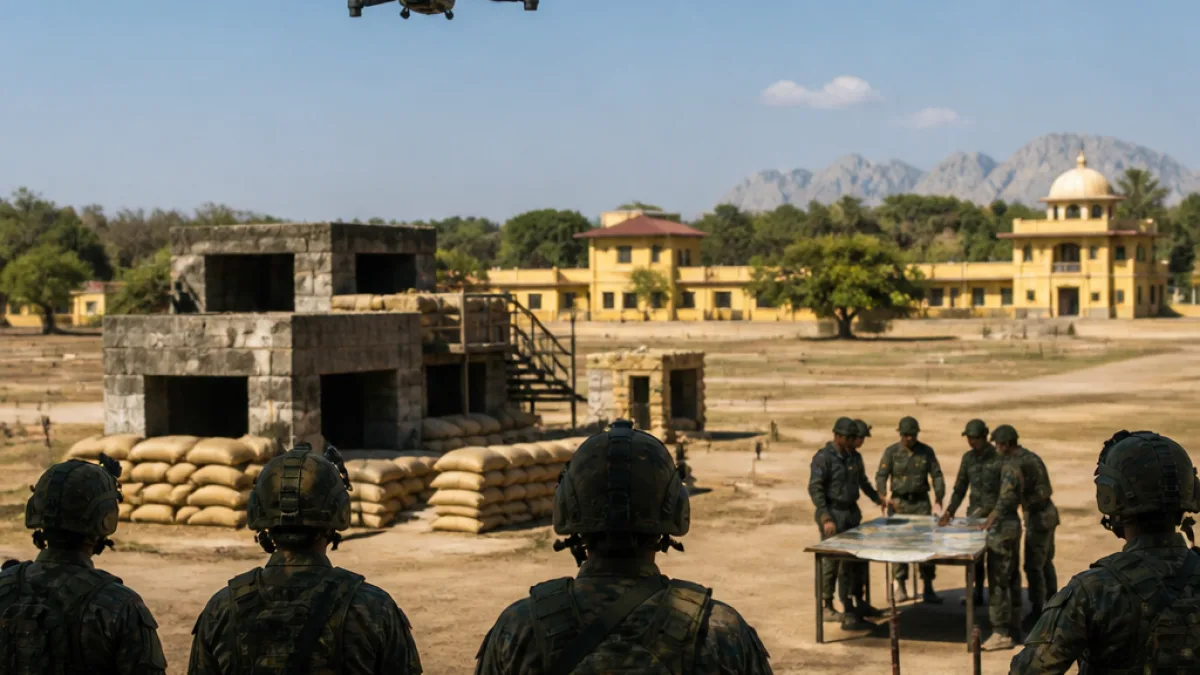
- Drone warfare and hardened defences — Kapur referenced new emphasis on counter‑drone measures and underground or hardened positions as part of the revised approach.
The DG linked these changes directly to the operational experience of his force: he said the Shaurya commandos had been tested in recent confrontations and had performed well. The ITBP’s comments come amid wider official confirmation that Indian and Chinese troops have faced off at several locations in Arunachal Pradesh since late July, a situation the Ministry of External Affairs and the ITBP have publicly acknowledged.
Implications for forward security
The ITBP is India’s primary central armed police force tasked with LAC duties in the high Himalaya; its shift towards specialised commando units, greater emphasis on drones and hardened defensive measures reflects how the force interprets recent operational pressures opposite the People’s Liberation Army. Kapur framed the changes as a direct response to evolving threats encountered during the ongoing face‑offs he referenced at the ceremony.
| Focus area | Announced emphasis |
|---|---|
| Training | Review and overhaul at CTC and other centres |
| Shaurya commandos | Expanded operational role; praised for recent performance |
| Drone warfare | Greater focus on use and counter‑measures |
| Hardened positions | Reference to underground bunkers and defensive works |
Kapur made his remarks at the Himveer Samman Samaroah on 22 October; the report of the event was published on 24 October. The ITBP did not release further technical specifications, procurement lists or deployment maps at the ceremony. Any changes to force structure, equipment procurement or bases would be announced separately by the ministry or the ITBP, as required by security protocols.
The comments add to a stream of public statements and decisions by Indian security institutions this month addressing preparedness along the northern border. They follow repeated notifications from official sources that patrol patterns and standoffs with PLA units in Arunachal Pradesh have been a continuing feature since July.