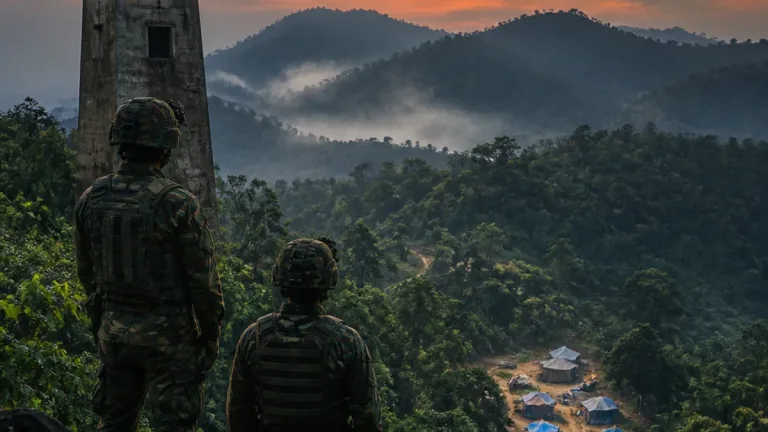
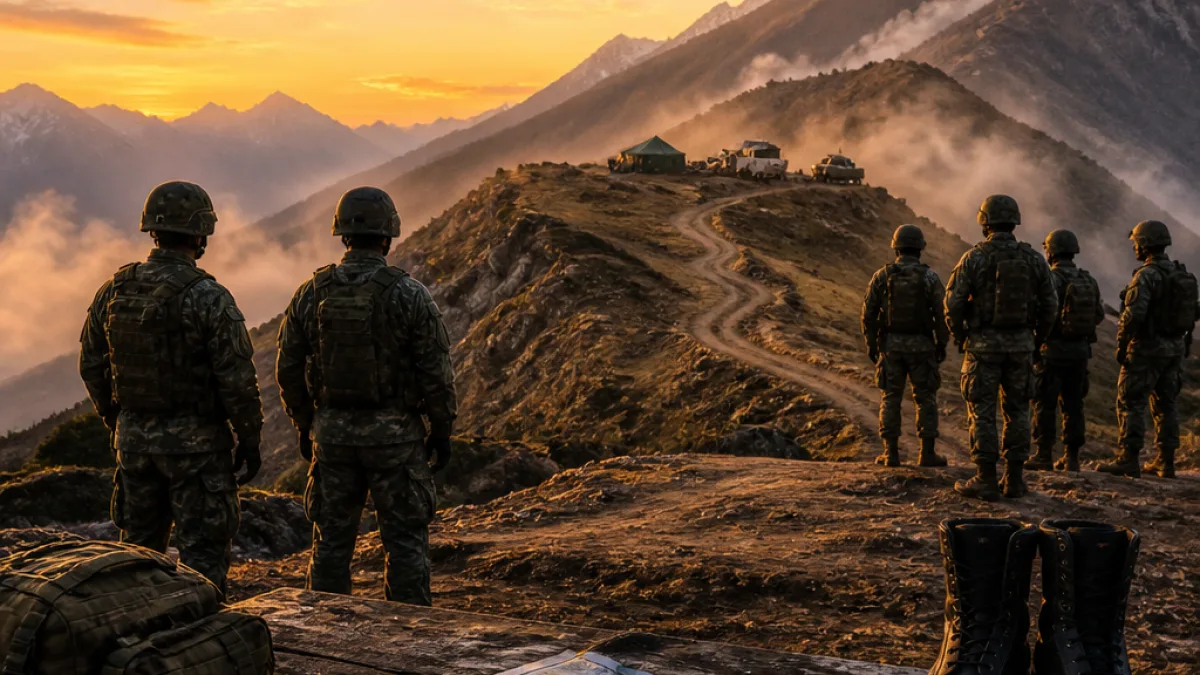
The Indo-Tibetan Border Police (ITBP) Director General Shatrujeet Kapur has confirmed that Indian and Chinese troops have been involved in face-offs at multiple locations in Arunachal Pradesh, and that the situation is continuing. Defence sources quoted in media reports said no violent clashes have been reported.
What officials say
The Ministry of External Affairs told reporters that friction points typically arise when Chinese forces deviate from established patrolling patterns in border pockets. The MEA noted that such disturbances occur occasionally and directed those seeking operational specifics to the Ministry of Defence.
“Identifying them formally on the Survey of India map of Arunachal Pradesh is aimed at facilitating their accurate recognition and better awareness among the public at large,” a statement from the Ministry of Home Affairs said regarding recent place-name decisions.
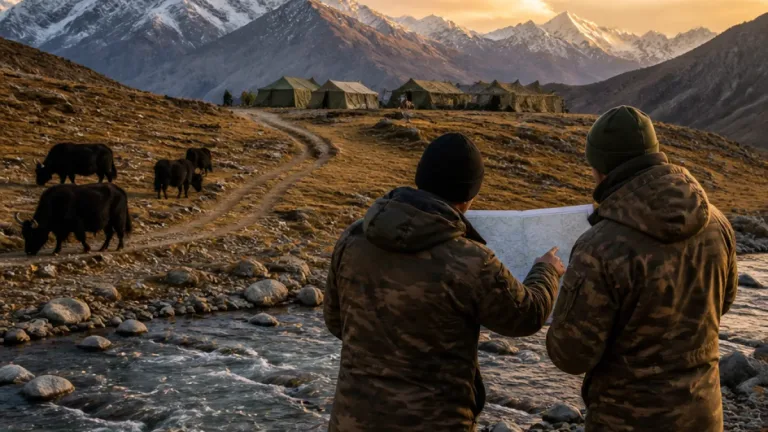
Since late July 2026, media reports have said PLA troops engaged Indian forces near Asaphila and Taksing in the Upper Subansiri district, including reports that Chinese personnel had pitched tents within 6–7 km of India’s perception of the Line of Actual Control (LAC).
Background and recent government moves
China regards Arunachal Pradesh as part of southern Tibet and assigns Chinese names to locations there; its Civil Affairs Ministry has periodically released such names, most recently in April 2026. In response, India formally identified 27 places and features in Arunachal Pradesh on the official Indian map in August 2026. Among those identified is the border village of Longju, which reports say has been controlled by China since 1959 but lies within India’s claim line.
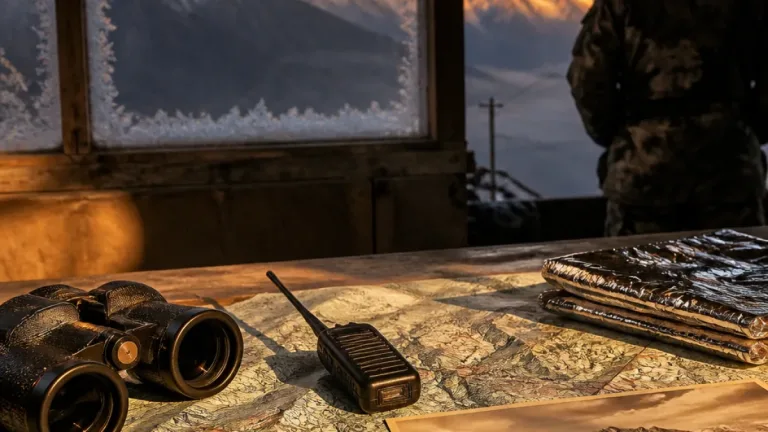
Defence and security officials quoted in reports said Indian and Chinese patrols continue to encounter one another periodically in areas such as Asaphila and Longju during routine operations. Established military-to-military mechanisms, including flag meetings and hotline communications, are being used to manage encounters. A Corps Commander‑level interaction held in the Northeast was cited as a step to strengthen institutionalised dialogue in the region.
- Locations mentioned: Asaphila, Taksing, Longju
- Timeline: incidents reported since late July 2026; Chinese place-name releases in April 2026; India’s identification of 27 places in August 2026
- Operational posture: face-offs managed through flag meetings and hotlines; no reported violent clashes, according to defence sources
Officials emphasised restraint, sustained engagement and the continued use of military and diplomatic channels where the two countries have differing perceptions of the LAC. Infrastructure work and mapping actions on both sides were identified in reports as factors that shape patrol patterns and local conditions.
| Item | Detail |
|---|---|
| ITBP chief | Shatrujeet Kapur (confirmed face-offs) |
| Reported locations | Asaphila, Taksing, Longju |
| Recent dates | Late July 2026 (face-offs reported); April 2026 (Chinese place-name release); August 2026 (India identified 27 places) |
The developments underscore continuing friction along stretches of the LAC in Arunachal Pradesh where perceptions of the boundary differ. Government statements and reported use of established mechanisms indicate an emphasis on managing encounters to prevent escalation.