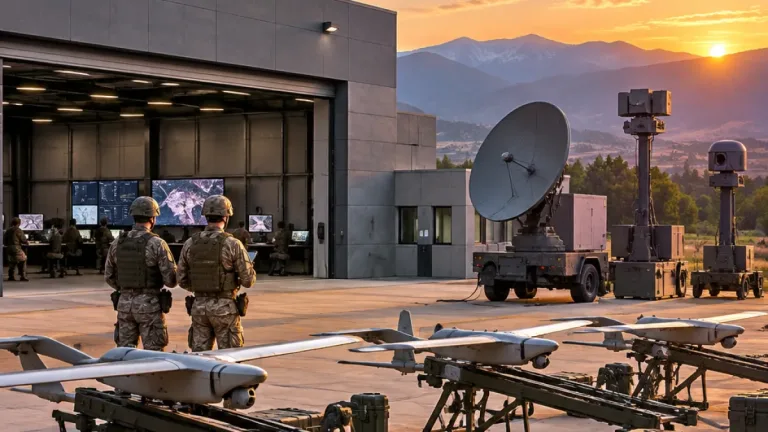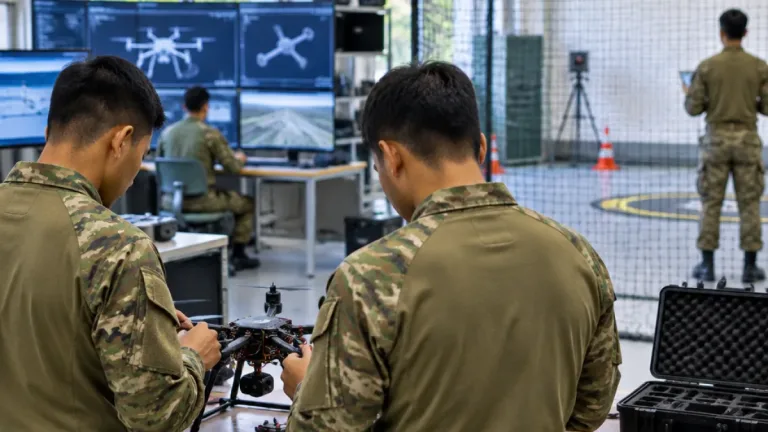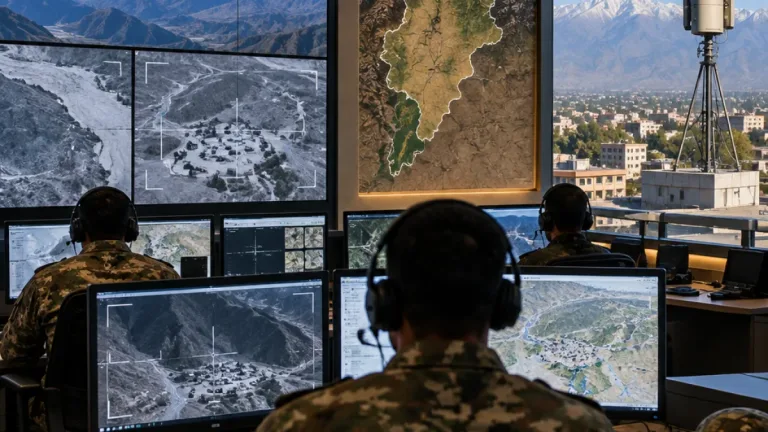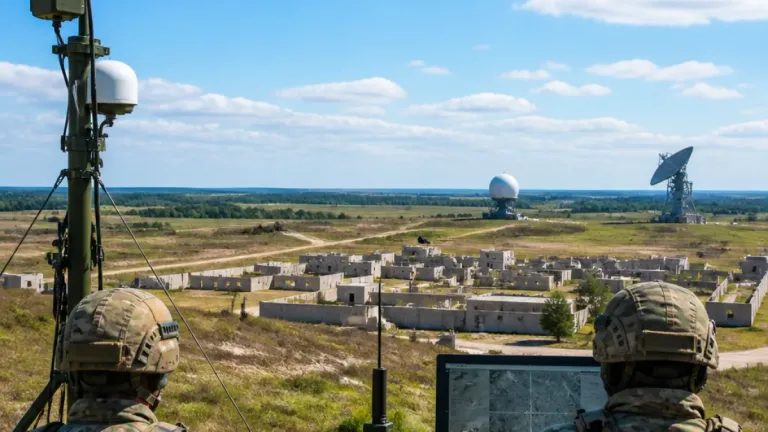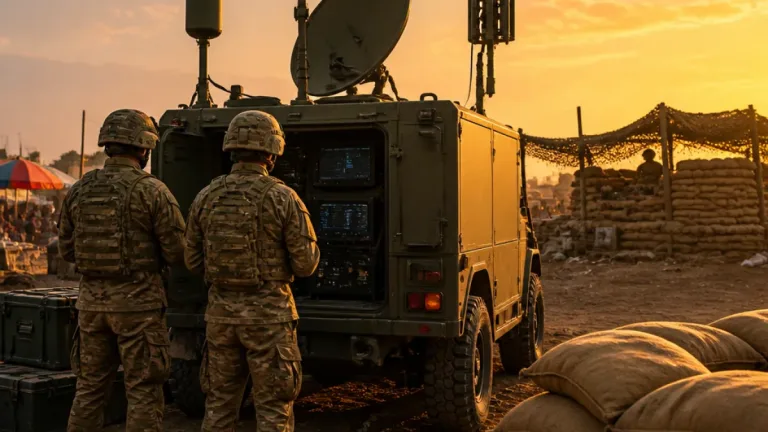
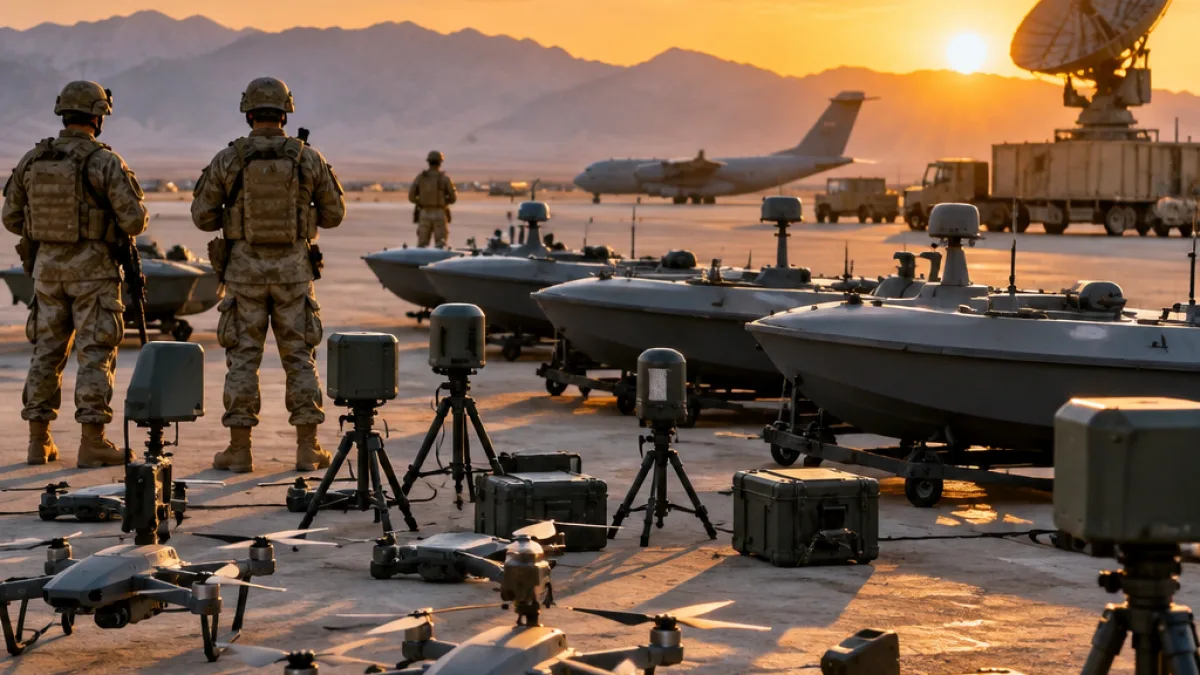
The Pentagon has delivered more than 25,000 unmanned systems and counter-drone capabilities to US Central Command (CENTCOM) following investments of $782 million, in one of the largest publicly announced transfers of such equipment by the United States. The announcement was reported by Anadolu Agency on 4 November.
The package includes both offensive unmanned platforms and systems intended to protect personnel from hostile drones. The Pentagon said the deliveries were made through the Direct Reporting Program Manager for Unmanned Systems, while counter-drone activity was supported by Joint Interagency Task Force 401.
What the package includes
| Capability | Quantity announced |
|---|---|
| One-way attack drones | More than 1,300 |
| Uncrewed surface and underwater vessels | Over 100 |
| Counter-unmanned aerial systems | More than 24,000 |
The figures cover a broad set of capabilities rather than a single drone model. The Pentagon said the counter-unmanned aerial systems are intended to shield US military personnel from attacks by hostile drones. The delivery of more than 24,000 such systems forms the largest part of the package, while the maritime component includes both surface and underwater vessels.
The US department described the initiative as part of a move towards quicker defence procurement and the mass production of lower-cost unmanned systems. According to the Pentagon’s assessment, this approach is intended to give commanders additional operational options and reduce reliance on expensive conventional weapons.
Autonomous warfare plans
The programme is also linked to the proposed Autonomous Warfare Command, or AUTOWARCOM. The Pentagon has described AUTOWARCOM as a proposed four-star combatant command that is expected to become operational by 1 October 2027. That date is a planned milestone, not confirmation that the command has already been established.
The Pentagon said deliveries to CENTCOM would continue. It also plans to widen the deployment of unmanned and autonomous systems across the US forces in the Indo-Pacific, Europe and other parts of the Joint Force. For readers in India, the Indo-Pacific reference is the most direct regional element in the announcement, although the Pentagon did not identify India or specify any bilateral programme.
- More than 25,000 systems and counter-drone capabilities have been delivered to CENTCOM.
- The package includes over 1,300 one-way attack drones and more than 100 uncrewed surface and underwater vessels.
- The United States plans further deployment of unmanned and autonomous systems in the Indo-Pacific.
The announcement separates two strands of the US effort: rapidly fielding affordable unmanned platforms and building layered protection against hostile drones. The Pentagon’s stated objective is to give commanders more options while reducing dependence on costly conventional weapons. The planned expansion beyond CENTCOM indicates that the United States intends to continue developing unmanned systems as a force-wide capability rather than limiting them to a single regional command.