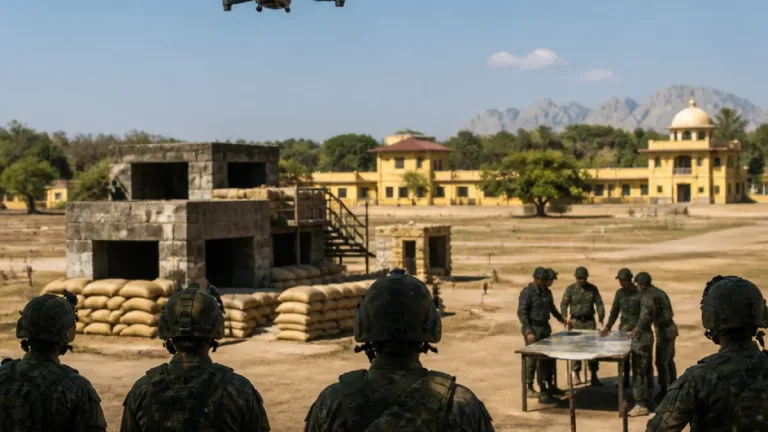
The Central Industrial Security Force (CISF) has entered into an agreement with IIT Hyderabad’s Technology Innovation Hub on Autonomous Navigation (TIHAN) to build specialised expertise in drone and counter-drone operations. The partnership is aimed at strengthening protection for critical infrastructure as unmanned aerial systems create new security challenges for facilities under the force’s responsibility.
The memorandum of understanding was signed in Hyderabad on 31 October 2026 by Harpreet Kaur Sohi, Inspector General and Director of the National Industrial Security Academy (NISA), and Prof. Rajlakshmi P., Project Director of TIHAN. Under the arrangement, assistant commandant probationers and sub-inspector trainees at NISA will attend short-duration programmes at IIT Hyderabad.
Training to include practical drone work
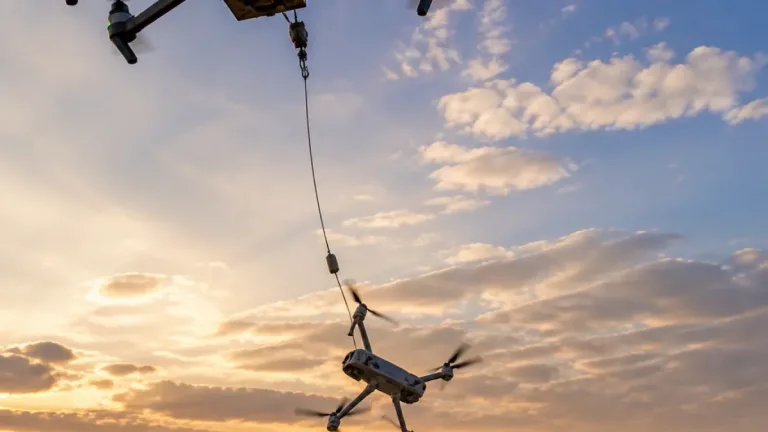
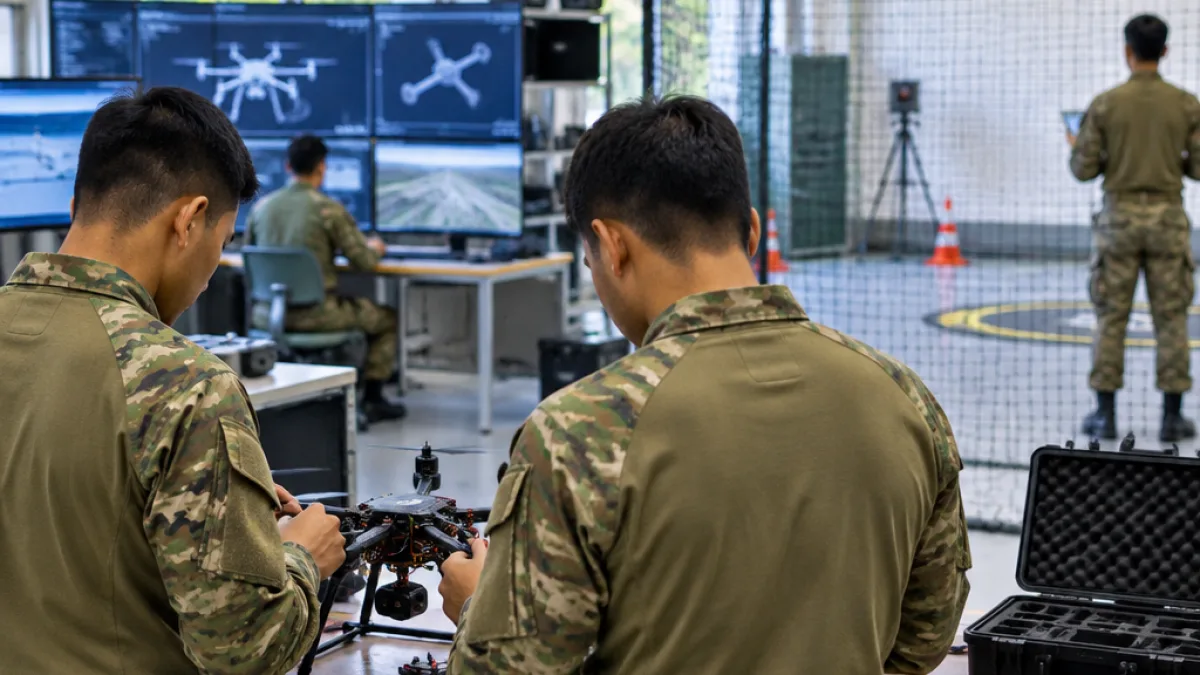
The courses will combine classroom instruction with practical exposure. The planned areas include assembling drones, operating them in flight and studying advanced autonomous systems in TIHAN’s laboratories. This places technical training within the CISF’s officer and supervisory-level preparation rather than limiting counter-drone capability to equipment procurement or isolated operational courses.
“This MoU will significantly increase specialisation within the force, directly supporting our newly formed functional sector pattern of supervision.” — Harpreet Kaur Sohi, Inspector General and Director of NISA
TIHAN will also provide academic and technical assistance to the CISF’s proposed Centre of Excellence for Drone and Anti-Drone Technology. The centre is planned at the force’s Recruit Training Centre in Behror, Rajasthan. Its proposed role, as described by the CISF, is linked to developing institutional capability in a field that covers both the use of unmanned systems and measures to detect or counter them.
Part of a sector-based security structure
The agreement comes as the CISF reorganises its command arrangements around sectors rather than relying solely on a traditional territorial structure. Dedicated commands are being created for areas including:
- Power infrastructure
- Petroleum facilities
- Coal installations
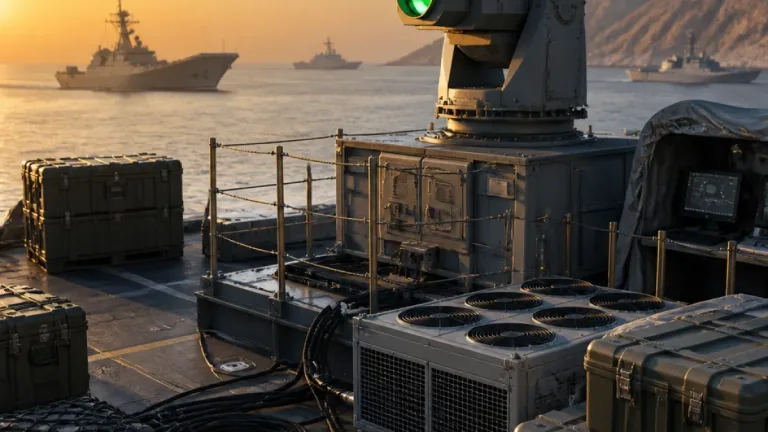
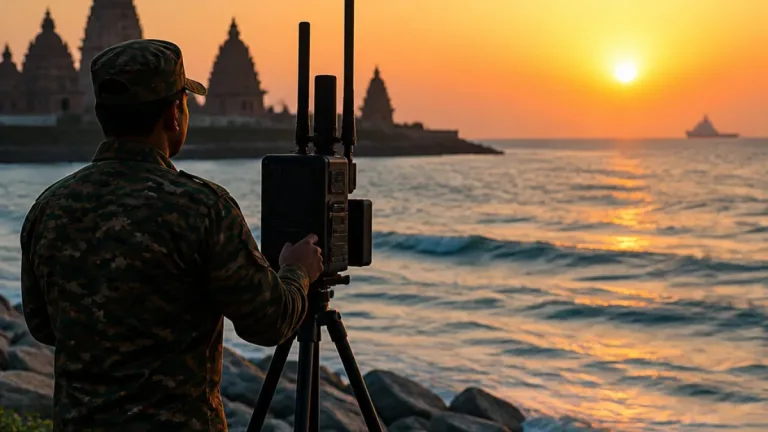
- Ports and maritime infrastructure
These sectors depend on interconnected facilities where an unauthorised drone could create surveillance, safety or security concerns. The force said the growing use of unmanned aerial systems made specialised technical knowledge necessary for personnel responsible for such sites. Sohi said the partnership would bring academic research into the CISF’s training system and help personnel develop the expertise required to anticipate and counter emerging threats.
The CISF described the IIT Hyderabad agreement as part of a wider effort to work with academic and technical institutions. Its other partnerships include an arrangement with IIT Kanpur covering cybersecurity and anti-drone capabilities, a programme with IIT Ropar to develop a cybersecurity cadre for aviation infrastructure, and cooperation with the National e-Governance Division on artificial intelligence, drone technology and cybersecurity.
The force has also identified cyber-defence training and maritime security as areas for institutional cooperation. The CISF has partnered with the Kalinga Institute of Industrial Technology for cyber-defence training and with the Indian Maritime University to strengthen port and maritime security capabilities. The new TIHAN arrangement therefore links drone instruction with the broader technical requirements of protecting India’s critical infrastructure network.