At least 30 merchant mariners have been killed or are missing in a recent escalation of drone attacks in the Black Sea, according to maritime tracking services and the governments of Romania and Bulgaria. CNN reported that Russian drones have struck at least a dozen commercial vessels in recent weeks, extending the security consequences of the Russia-Ukraine war beyond military targets and into a major shipping corridor.
The attacks have been directed at vessels connected with Ukrainian ports, which handle almost all of Ukraine’s grain exports, according to the CNN report. Russia’s stated objective, as described in that reporting, is to restrict trade through those ports. The campaign has also created a direct concern for neighbouring NATO members: some strikes took place close to, or within the territorial waters of, Romania and Bulgaria.
“turning the Black Sea into a zone of danger for civilian shipping”
Ukrainian Foreign Minister Andrii Sybiha used those words to describe the worsening threat to commercial navigation. The latest wave followed months of Ukrainian attacks on shipping using Russian ports in the Black Sea and the adjoining Sea of Azov, according to shipping and security sources cited by CNN. The pace of the Russian attacks increased during the past month and became particularly pronounced from early October.
Maritime and aerial drones used together
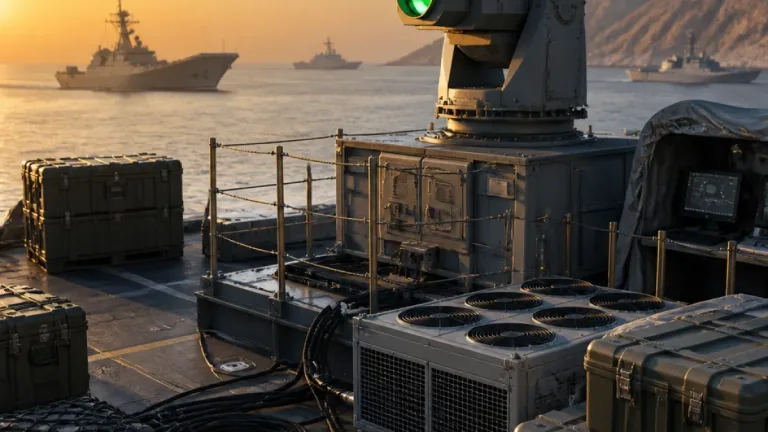
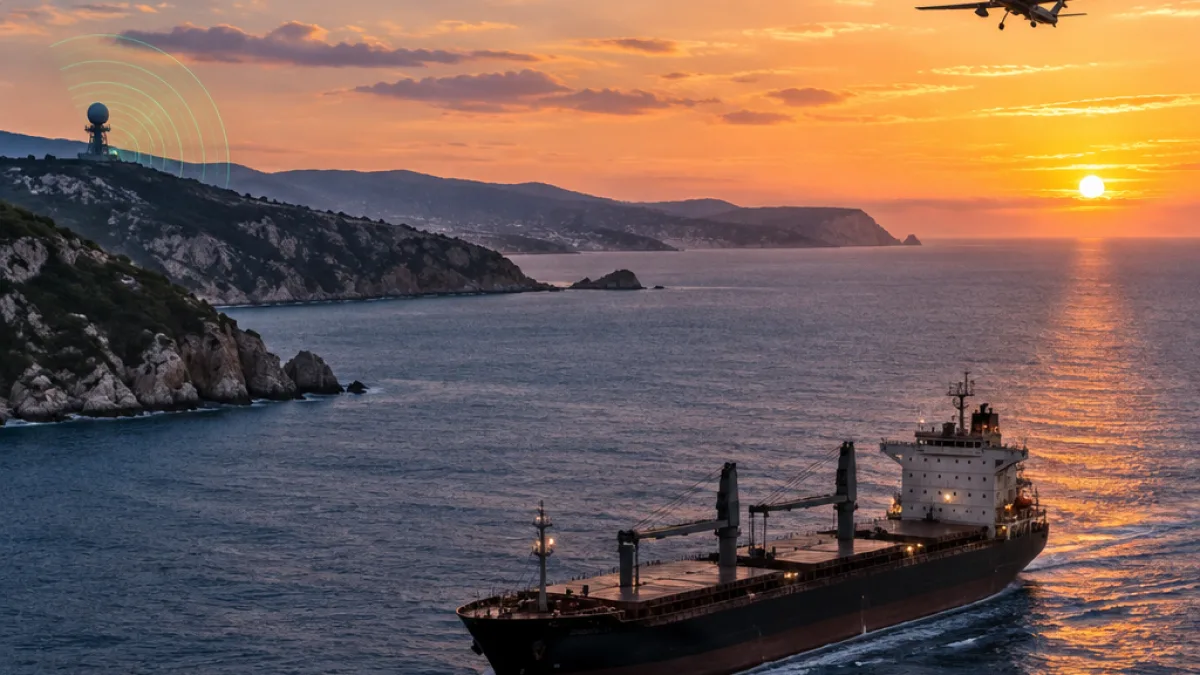
Several attacks have reportedly combined surface drones with aerial systems. The Russian systems used in the campaign include recently developed jet-powered drones, which are described as faster and harder to intercept, as well as platforms designed to engage moving targets. The reported combination illustrates how unmanned systems can be employed against commercial shipping from more than one direction, although the available account does not establish the performance of each individual system.
In the most recent incident described by CNN, three drones hit the container ship Contship Jet while it was approaching a Romanian port. A French surveillance aircraft recorded a surface drone moving towards the vessel. Subsequent footage showed the ship listing heavily before it sank. The attack occurred approximately 25 kilometres from the Bulgarian coast, bringing the incident close to the waters of another NATO country.
Grain shipments affected as attacks move towards the Danube
Russian missile and drone strikes on Ukrainian Black Sea ports, particularly Odesa, increased during the summer. Ukraine shipped 1.09 million tonnes of wheat in September, compared with 2.05 million tonnes during the same month a year earlier, according to Ukrainian government figures. Ukrainian operators attempted to shift exports to smaller Danube ports bordering Romania, but Russian drones followed that route, the report said.
- At least 30 mariners were killed or remain missing in the recent surge, according to maritime tracking services and the governments of Romania and Bulgaria.
- At least 12 merchant ships were struck in recent weeks, according to CNN’s reporting.
- The reported attacks have included aerial drones, maritime drones and newer jet-powered unmanned aircraft.
- Some incidents occurred near or inside the territorial waters of NATO members Romania and Bulgaria.
The escalation began in early October with the attack on the Turkish-owned Alfa Watan, which was sailing from Egypt towards Sulina in Romania. The vessel was hit by aerial and naval drones and sank. Nine Syrian crew members and one Egyptian national died, according to the account. Six days later, 11 crew members aboard the HS Dignity were also involved in an incident described in the report, although the supplied account ends before providing further details.
For defence planners, the incidents place unmanned maritime attack, air defence and protection of civilian shipping in the same operational picture. They also show how the geographic effects of the war can reach routes serving countries that are not direct participants in the fighting. The reported proximity of attacks to Romanian and Bulgarian waters adds a NATO security dimension to a campaign already affecting grain movements and the safety of international crews.