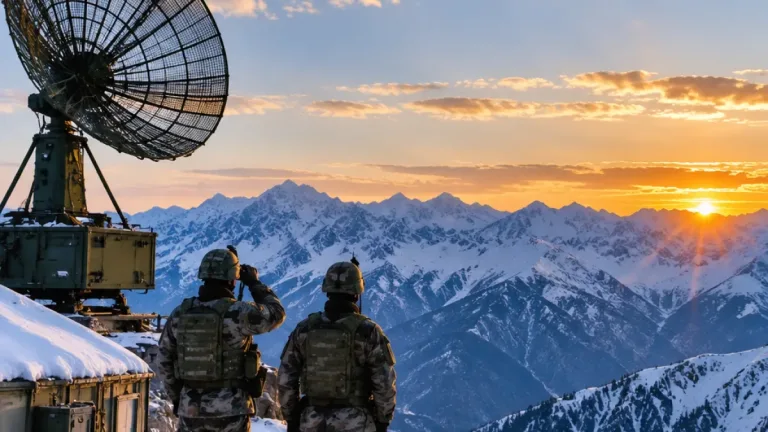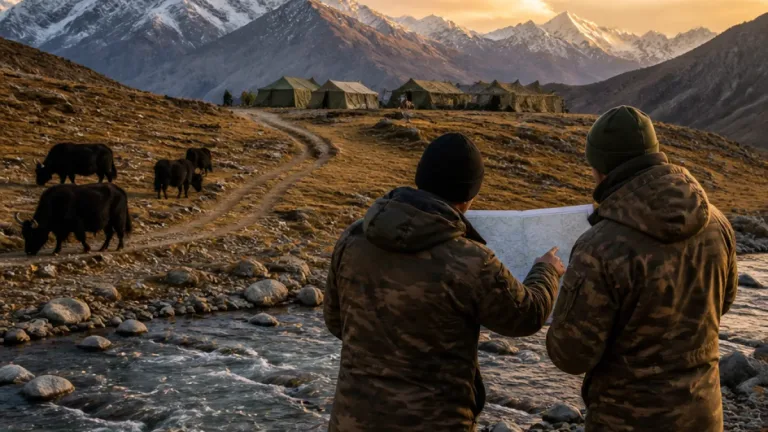
External Affairs Minister S Jaishankar has said India’s ability to sustain large-scale troop deployments along the China border has improved “in a very marked way” over the past decade. He attributed the change to a stronger push for frontier infrastructure after years in which the sector had received inadequate attention.
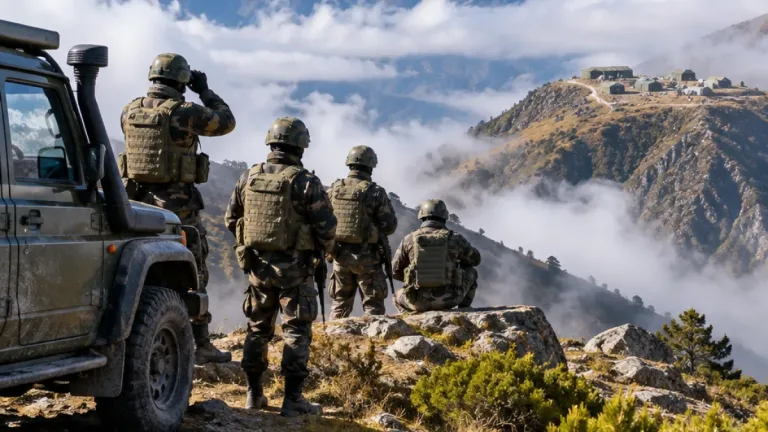
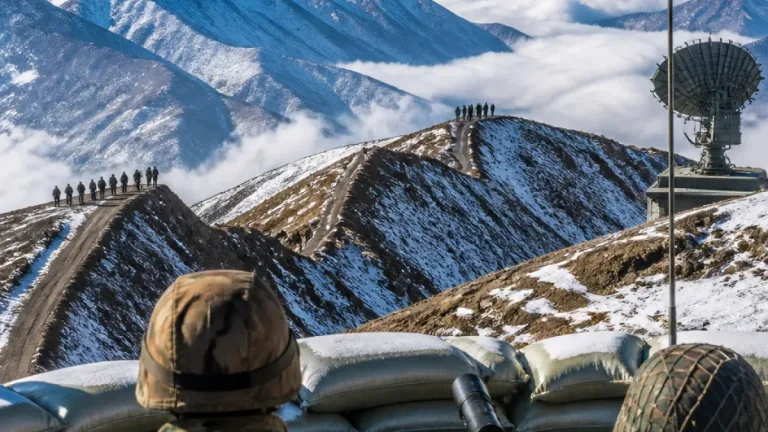
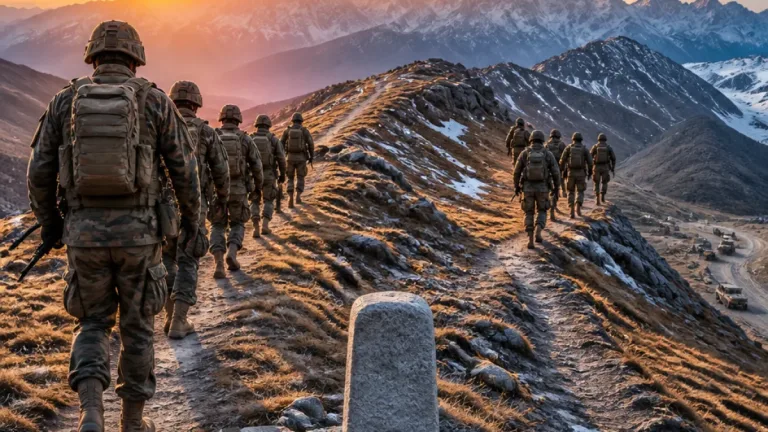
Speaking at the 24th Hindustan Times Leadership Summit on Saturday, 14 November 2026, Jaishankar said the India-China frontier had become “more alive” and therefore required a much greater commitment of troops on a sustained basis. He said the infrastructure already completed had enabled the deployment of those numbers, while continuing construction would help maintain them.
“The border infrastructure was really neglected till about a decade ago.” — External Affairs Minister S Jaishankar
Infrastructure linked to troop sustainability
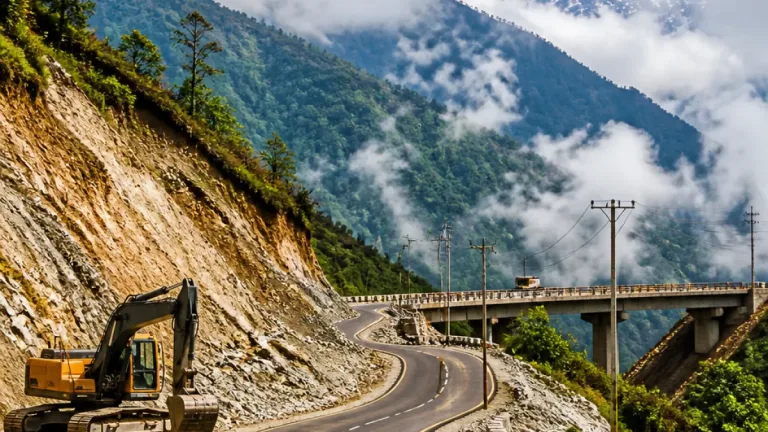
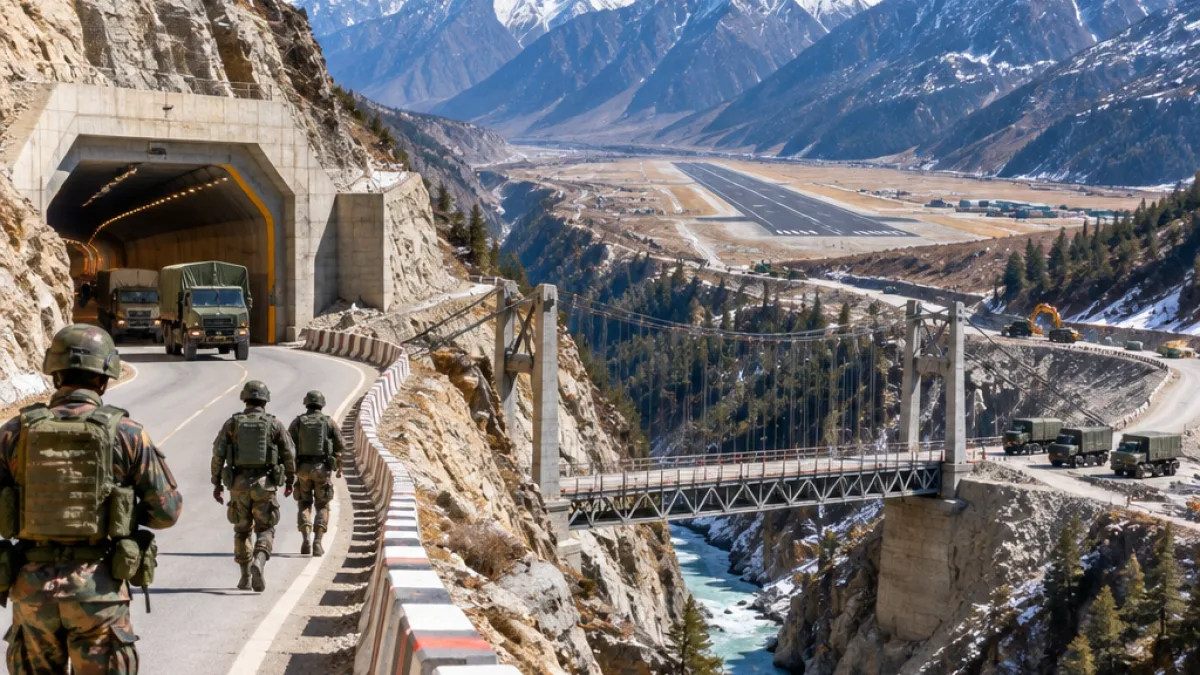
Jaishankar pointed to the increasing frequency with which new border facilities are being commissioned. The projects he cited include:
- Roads connecting frontier areas and supporting movement;
- Tunnels intended to improve access through difficult terrain;
- Bridges supporting mobility across obstacles; and
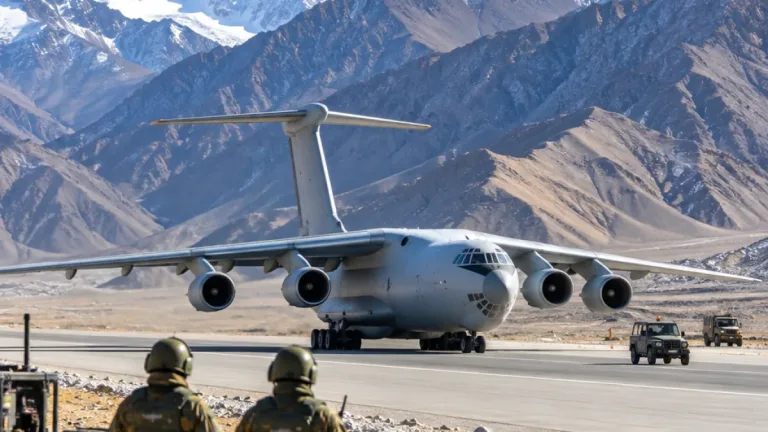
- Airfields strengthening access to the border region.
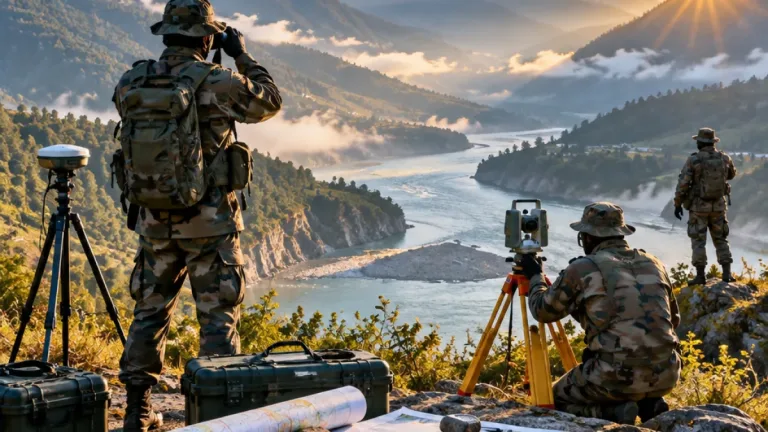
He said the progress could be seen by examining the kilometres of roads built year by year, the tunnelling completed and the positioning of infrastructure along the frontier. In his assessment, personnel serving in the sector were aware of the change on the ground.
Asked whether India’s capacity to deploy and maintain troops along the China border had improved since the 2020 Galwan clash, Jaishankar replied: “Very definitely yes. His remarks presented infrastructure development as a direct enabler of prolonged military presence, rather than as a standalone construction programme.
Infrastructure and the wider China challenge
Jaishankar also connected India’s strategic asymmetry with China to missed opportunities in manufacturing and industrialisation. He said the two economies had been of roughly comparable size around the time of Prime Minister Rajiv Gandhi’s visit to China in 1988, but that China subsequently made a major push towards modernisation and industrialisation during the 1980s.
India, he said, had “simply missed the bus”. The minister argued that governments after the economic reforms of the 1990s had not sustained reform momentum across sectors, while some industrial projects faced opposition and delays. He added that his comments were not intended as a political point, but as an explanation of the longer-term disparity that India now has to address.
For India’s military planners, the remarks underline the continuing requirement to sustain personnel and infrastructure along the China frontier. Jaishankar’s formulation was that the work completed so far enabled the present level of deployment and that further work would be necessary to maintain it. The statement comes as the border remains a central element of India’s defence preparedness and its broader strategic relationship with China.