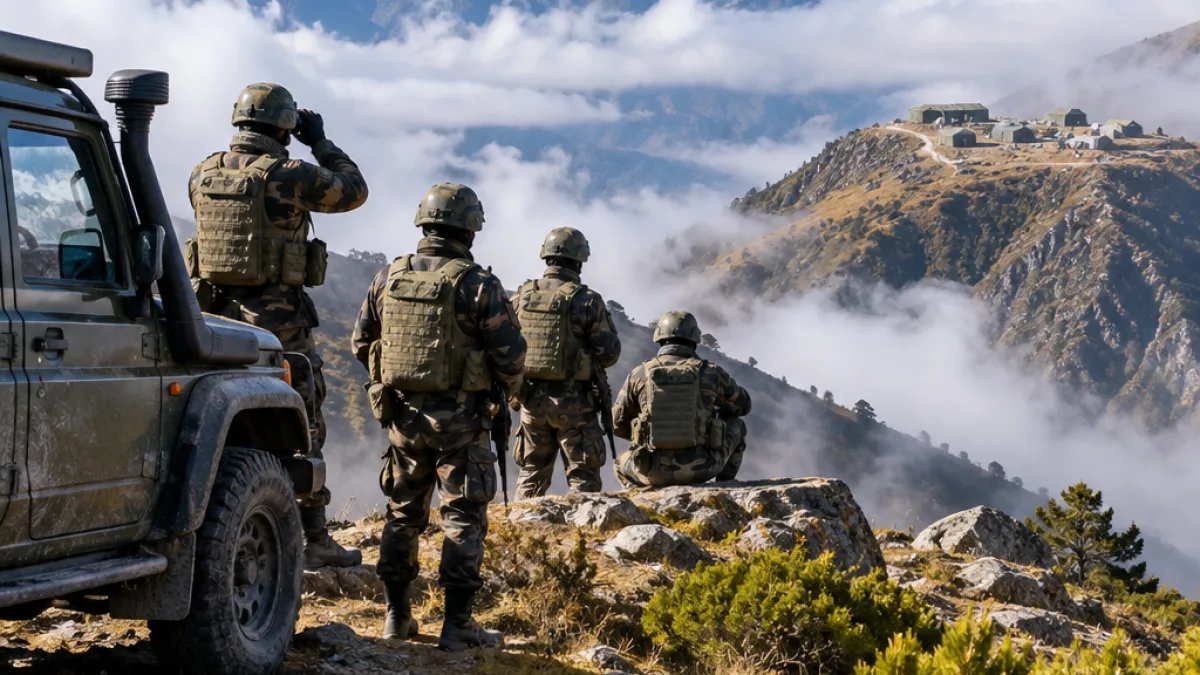
Face-offs reported in Upper Subansiri
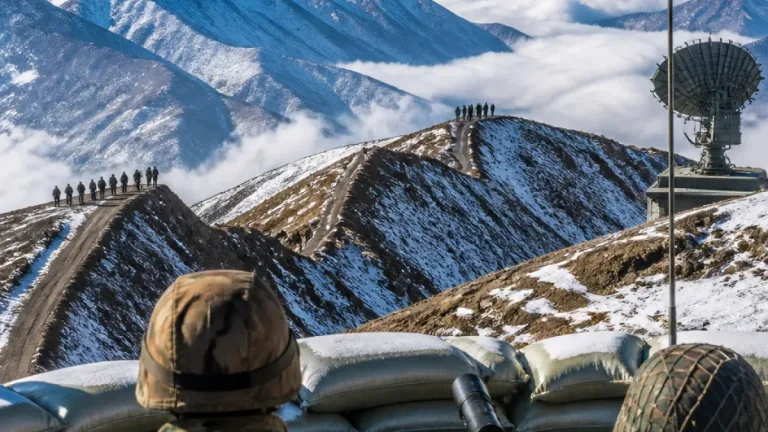
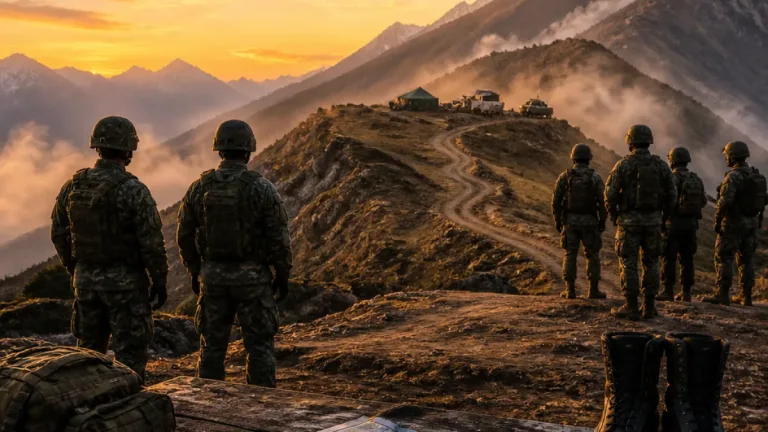
Recent military confrontations in Upper Subansiri district have brought renewed attention to the unresolved India-China boundary question, even as New Delhi and Beijing seek to stabilise bilateral ties. Indian and Chinese forces have reportedly faced off near Taksing and Asaphila in Arunachal Pradesh, according to a report published by India Narrative on 2 November 2026.
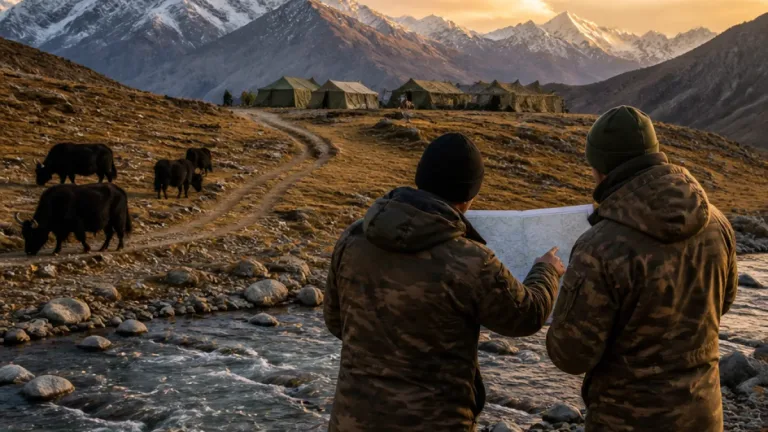
The confrontations began in July, according to Shatrujeet Kapur, chief of the Indo-Tibetan Border Police. The two sides initially moved away from the area, but Chinese troops later returned in greater strength and put up tents in locations that India considers to be on its side of the Line of Actual Control (LAC). The account does not provide a public assessment of the number of personnel involved or the duration of the reported presence.
The Indian Ministry of External Affairs has described the episode as a departure by Chinese forces from established patrolling arrangements. At the same time, India and China continue to maintain diplomatic and military channels, according to the account. Neither government has issued a detailed public description of the reported deployments, leaving the precise scale and duration of the episode unclear.
Diplomatic engagement and military competition
The reported face-offs are significant because they have emerged alongside visible improvement in high-level political engagement between India and China. The developments indicate that diplomatic normalisation and military competition are continuing in parallel in areas where the boundary remains unsettled.
Arunachal Pradesh is administered by India as a full state and lies along the country’s north-eastern frontier, adjoining Tibet. India regards the state as an integral part of its territory. China claims most of Arunachal Pradesh, referring to it as “South Tibet” or “Zangnan”. The competing territorial positions make the region one of the most sensitive parts of the wider boundary dispute.
An undemarcated frontier
The frontier between India and China extends for approximately 3,440 kilometres and remains largely undemarcated. In the absence of an agreed and precisely mapped boundary, the two countries operate with differing perceptions of the LAC. Differences over maps, patrol routes and the physical understanding of the frontier have repeatedly created conditions for confrontation.
For India’s border-management agencies, the latest developments place attention on the Upper Subansiri sector and on the arrangements governing patrols along the LAC. The episode also underlines the sensitivity of public communication on such incidents: official statements have so far acknowledged the issue through the description of patrolling arrangements, while offering limited operational detail.
- Location: Taksing and Asaphila in Arunachal Pradesh’s Upper Subansiri sector
- Timeline: Confrontations reportedly began in July
- Indian position: Chinese forces departed from established patrolling arrangements