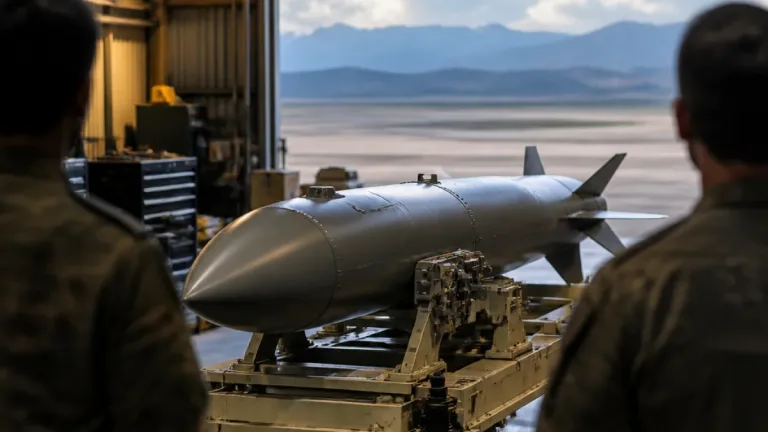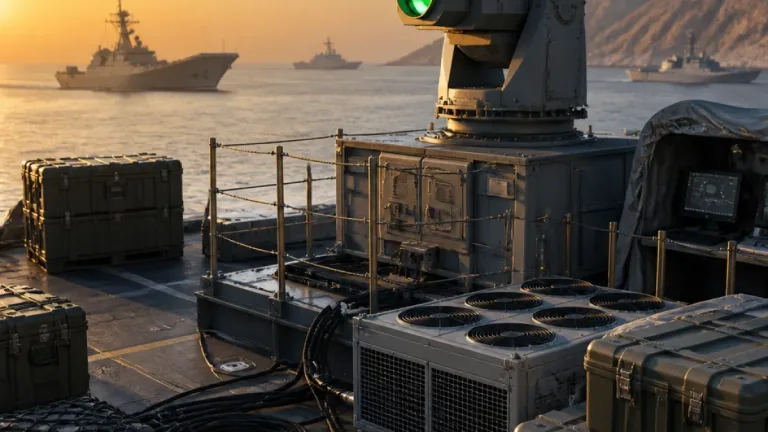
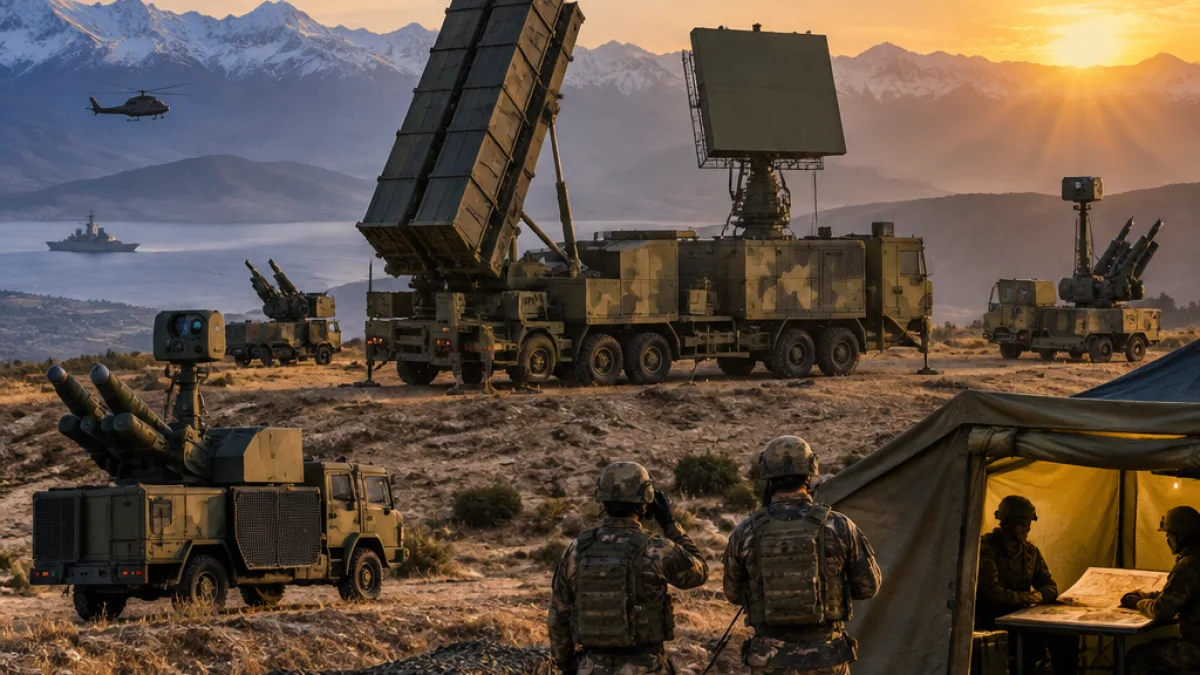
A reported plan to acquire 13 Russian Pantsir air-defence systems for India has drawn attention because the proposed systems would be assigned both to the protection of S-400 units and to air defence along the border. The proposal has not been presented as a signed contract, delivery or induction, and the reported allocation remains conditional.
According to Defence Security Asia, as cited by Defense Express, 10 systems could be allocated to the Indian Air Force to protect its S-400 systems, while three could go to the Indian Army for airspace defence along the border. The report does not establish that the Indian government or the armed forces have formally approved the purchase.
Reported allocation for the two services
| Organisation | Reported number | Proposed role |
|---|---|---|
| Indian Air Force | 10 | Protection of S-400 air-defence systems |
| Indian Army | 3 | Airspace defence along the border |
| Total | 13 | Reported potential purchase |
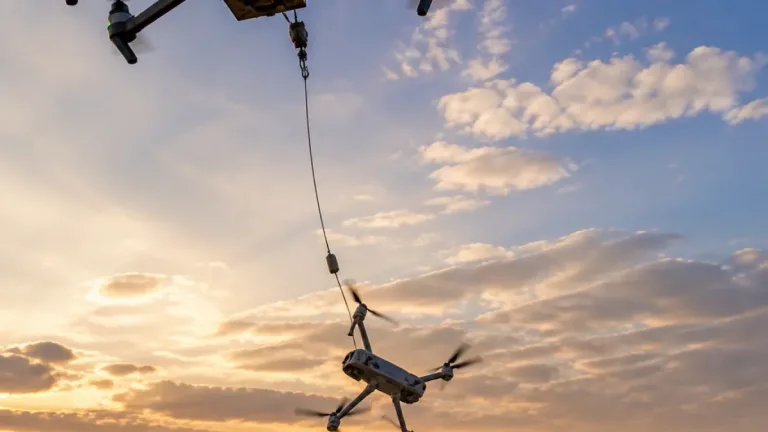
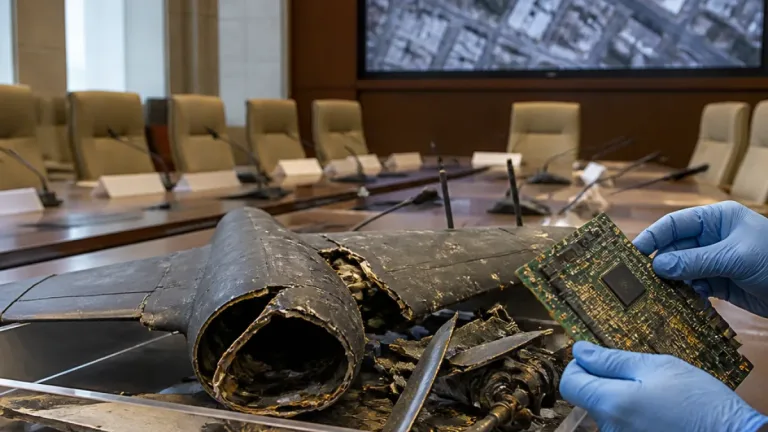
The reported proposal comes against the continuing challenge posed by drones and loitering munitions to fixed and mobile air-defence assets. The Pantsir combines anti-aircraft missiles and guns, but the material cited by Defense Express questions its effectiveness against drones in the war in Ukraine. Defense Express referred to videos released by Ukraine’s Defence Intelligence and Unmanned Systems Forces, which it said showed Russian Pantsir systems being struck by Ukrainian drones and suffering destruction or critical damage.
Those battlefield claims belong to the Ukrainian agencies and to Defense Express’s account of the footage. They do not, by themselves, establish how a Pantsir system would perform in Indian operating conditions or within an Indian layered air-defence network. The reported plan should therefore be separated from any conclusion about operational effectiveness. A possible procurement is not evidence that the system has been selected, contracted for or deployed by India.
Context around India’s S-400 fleet
Defense Express reported that India currently has four S-400 batteries in service. It also said that, despite a three-year delay, another S-400 battery was expected to be delivered by the end of 2026, which would bring the reported total to five systems. The same report linked the possible Pantsir allocation to the protection of these strategic air-defence assets from drones and loitering munitions.
- The reported proposal involves 13 Pantsir systems, not a confirmed order.
- The reported split is 10 for the Indian Air Force and three for the Indian Army.
- The claims about Pantsir performance in Ukraine are attributed to Ukrainian agencies and Defense Express.
For Indian readers, the central issue is the status of the proposal. The reported numbers indicate a possible force-protection requirement around S-400 units and a separate border air-defence role for the Army, but they do not establish a procurement decision. Any contract, delivery schedule, variant selection or operational deployment would require confirmation from the responsible Indian authorities.