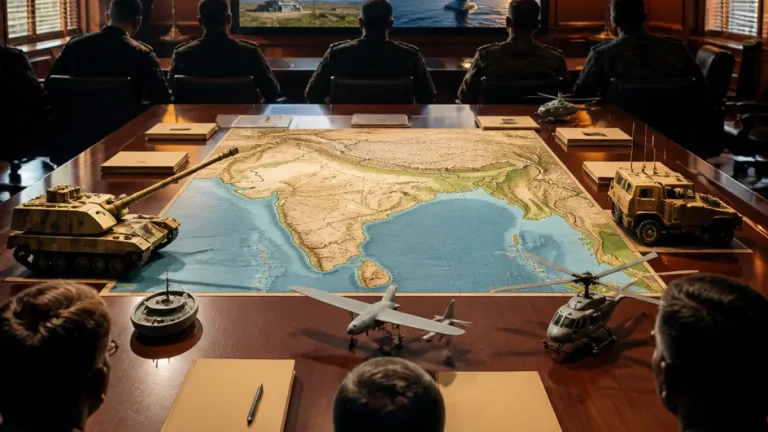
Air Chief Marshal A.P. Singh, Chief of Air Staff, said the Indian Air Force is closely monitoring developments across the Indo‑Pacific and is focusing on a discrete set of capabilities to safeguard India’s national interests, sovereignty and strategic autonomy, the news agency PTI reported on 25 October 2026.
IAF priorities for the Indo‑Pacific
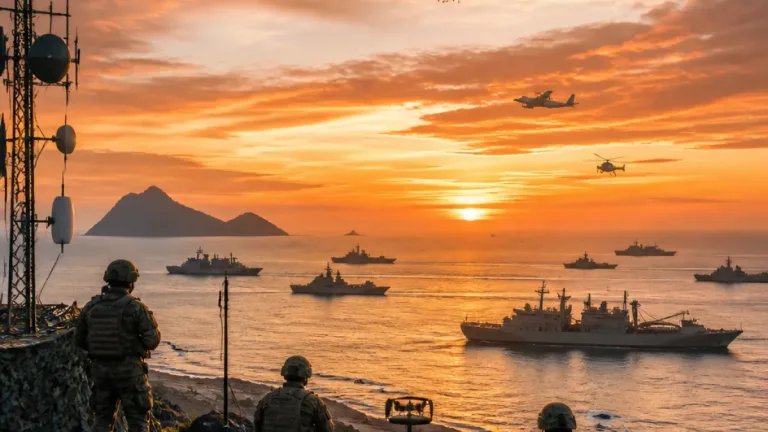
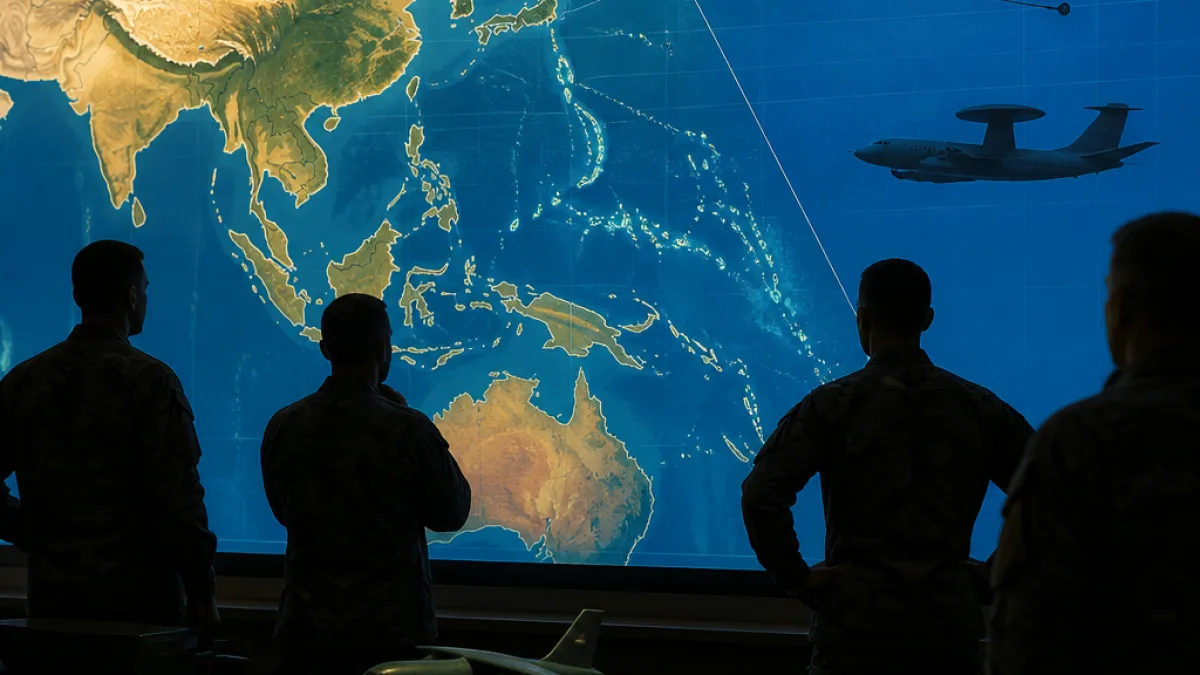
In an interview with PTI, the chief said the IAF’s requirements for the region include reach, persistent surveillance, air mobility, air‑domain awareness, networked command and control, and the ability to operate effectively over extended distances. He underlined the importance of the Andaman and Nicobar Islands as a strategic springboard for operations in the eastern Indian Ocean Region, and cited aerial refuelling and airborne early warning as enablers that give the force reach and awareness far from the mainland.
“From the IAF's perspective, this demands a specific set of capabilities. We need reach, persistent surveillance, air mobility, air‑domain awareness, networked command and control, and the ability to operate effectively over extended distances,” Air Chief Marshal A.P. Singh told PTI
Vigilance, deterrence and regional cooperation
Singh said the Indo‑Pacific has become central to global security and is marked by growing military activity, strategic competition and contestation. He warned that recent developments across the region underline the need for vigilance, credible deterrence and greater regional cooperation, and said the IAF is strengthening engagements with like‑minded air forces to build capability and trust.
On theatreisation and operational readiness
The Chief of Air Staff discussed the IAF’s theatreisation plan, describing it not as a permanent geographic split of fighter assets but as a structure tailored to India’s specific security requirements rather than a replication of foreign models. He argued the guiding principle should be centralised control where necessary and decentralised execution where appropriate. Singh emphasised the transformation must be implemented in phases so operational readiness is not compromised.
Operational posture and lessons
Without naming other countries, Singh referenced the changing strategic environment while reiterating the IAF’s objective to detect emerging challenges early and to operate across multiple domains. He said the force has been moving from platform‑centric thinking to a capability‑centric approach, integrating aircraft, sensors, weapons and networks to produce a combined effect greater than the sum of parts.
- Key capabilities enumerated by the IAF chief: reach; persistent surveillance; air mobility; air‑domain awareness; networked C2; ability to operate at extended distances.
- Regional posture: Andaman and Nicobar Islands cited as a springboard for eastern Indian Ocean operations; aerial refuelling and airborne early warning named as force multipliers.
- Theatreisation: phased implementation, centralised control and decentralised execution; not a straight geographic division of fighter assets.
| Issue | IAF emphasis (as stated to PTI) |
|---|---|
| Regional focus | Indo‑Pacific vigilance and cooperation |
| Operational reach | Aerial refuelling, AEW, long‑distance operations |
| Force design | Capability‑centric integration of platforms, sensors, weapons and networks |
The chief framed these changes as necessary to protect India's national interests and freedom of action while preserving strategic autonomy. He also said the IAF is ramping up engagements with partner air forces to build capability and trust, describing trust as an enduring contributor to regional stability.
All quotes and paraphrases in this article are taken from Air Chief Marshal A.P. Singh’s interview with PTI published on 25 October 2026.