Air Chief Marshal A.P. Singh, Chief of the Air Staff, told PTI on 25 October 2026 that Operation Sindoor validated the Indian Air Force's shift to a capability‑centric model and demonstrated that “no target is beyond its reach”. Speaking of the four‑day operation he oversaw, the Air Chief described how integrated use of aircraft, sensors, weapons and networks allowed the force to calibrate effects while keeping escalation under control.
“Operationally, one lesson stands out: we must always retain multiple options and the ability to adapt rapidly as the adversary changes tactics,” the Chief of the Air Staff said to PTI.
What the air chief said about the operation
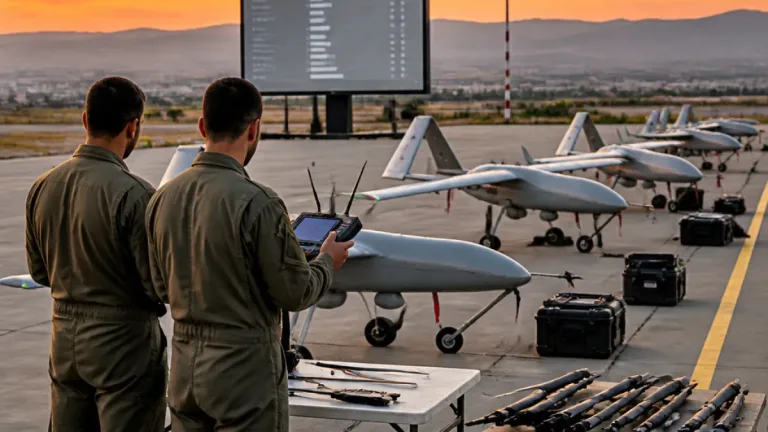
Singh said the operation involved calibrated strikes across a 1,200 km front in breadth and 200 km in depth, and that its success did not rest on any single weapon or platform but on the combined application of intelligence, networked operations, stand‑off and precision weapons, electronic warfare, layered air defence and counter‑unmanned aerial systems. He also asserted that some indigenously developed weapon systems performed “exceptionally”, delivering crippling blows deep inside enemy territory, and that the IAF honoured a commitment to “zero collateral damage” throughout the operation.
Targets and purpose
The Chief of the Air Staff reiterated that Operation Sindoor was launched in response to the Pahalgam terror attack. He named the operation's strikes on nine terror infrastructures, including what he described as the Jaish‑e‑Mohammed headquarters at Bahawalpur and the Lashkar‑e‑Taiba base at Muridke. Singh framed the operation as a demonstration of the IAF's role as the nation's primary responder and a strategic deterrent.
- Duration: four‑day operation (as described by the air chief)
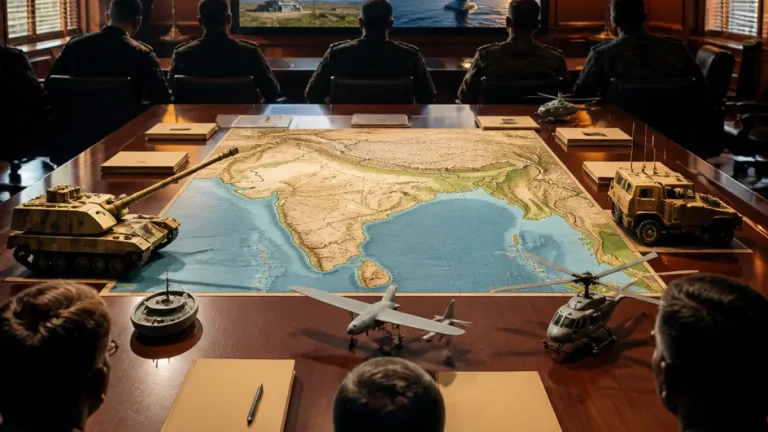
- Geography: calibrated strikes across a 1,200 km by 200 km front
- Targets: nine terror infrastructures including Bahawalpur and Muridke (as named by A.P. Singh)
| Measure | As stated by A.P. Singh |
|---|---|
| Operational breadth | 1,200 km |
| Operational depth | 200 km |
| Number of strikes/targets | Nine |
Emphasising that capability must continue to evolve, Singh warned against complacency: he said the IAF must not “stand still” after the operation and should deepen and widen its capabilities so it can adapt rapidly as adversaries change tactics. He described a capability‑centric force as one that can draw on many tools rather than depend on a single asset, enabling flexibility in response and better control of escalation.
The interview reiterates public claims about Operation Sindoor made by the IAF leadership and places emphasis on integration of platforms, indigenous weapon performance and restraint to limit collateral damage. All operational claims and assessments in this report are attributed to Air Chief Marshal A.P. Singh in his PTI interview on 25 October 2026.