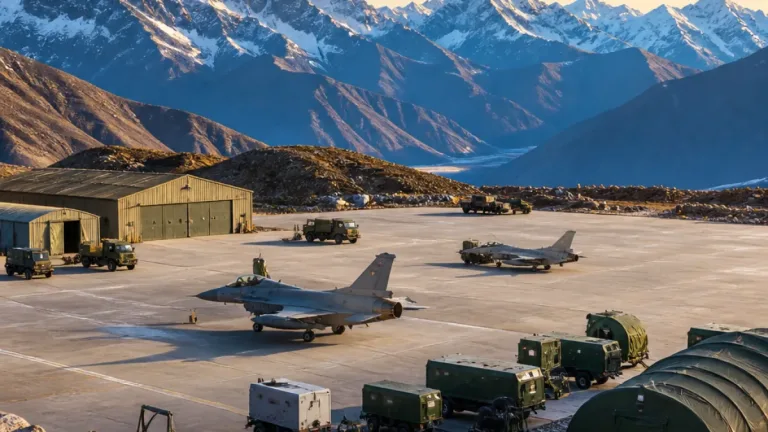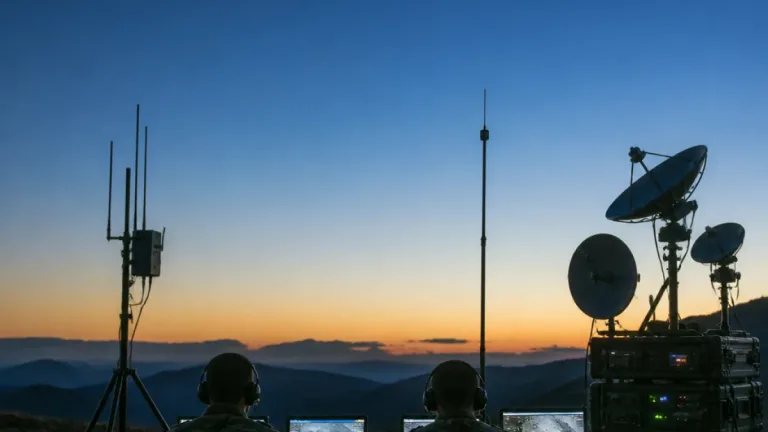
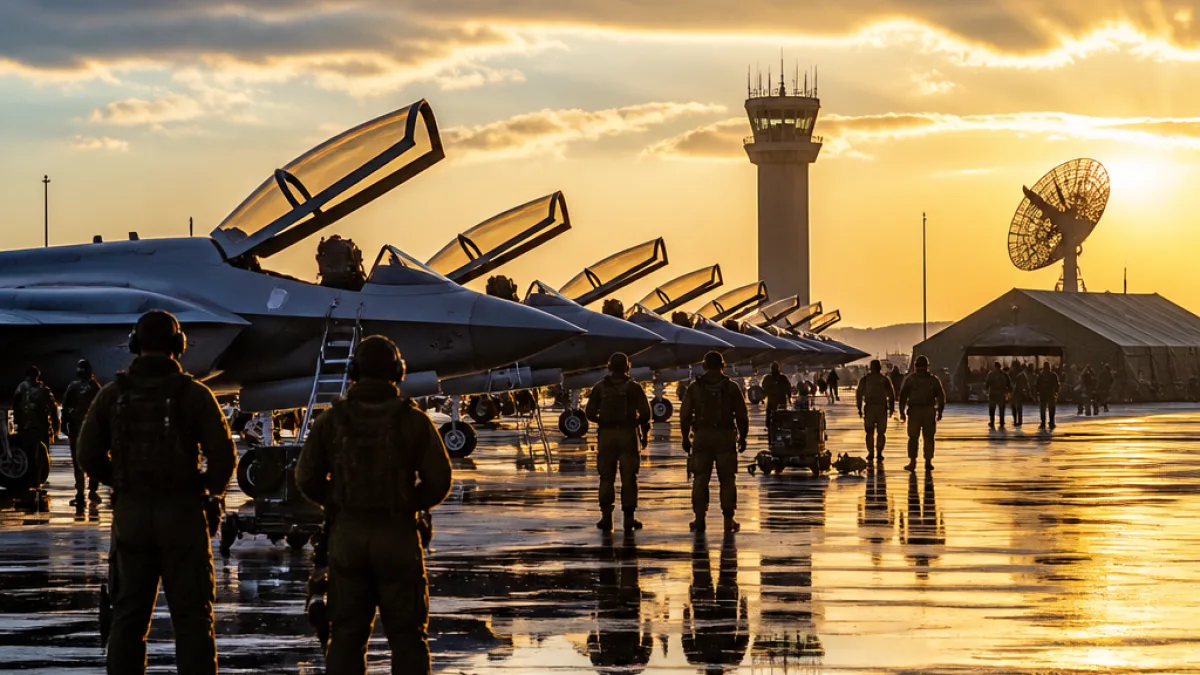
South Korea and the United States kicked off the two‑week Freedom Flag air exercise on 26 October 2026 at Kunsan Air Base in Gunsan, approximately 180 kilometres southwest of Seoul, the Azerbaijani outlet News.Az reported. The drills will run through 6 November and bring together fighters, reconnaissance platforms and surveillance systems to test coordinated air operations and alliance procedures.
What the exercise will focus on
According to News.Az, Freedom Flag will emphasise defensive counter‑air missions, air interdiction and joint operational planning under realistic wartime conditions. The programme is designed to improve the ability of South Korean and US air components to operate as an integrated force, moving beyond individual pilot proficiency to examine command, control and information‑sharing between aircraft and ground centres.
- Dates: 26 October–6 November 2026
- Location: Kunsan Air Base, Gunsan (about 180 km southwest of Seoul)
- Participating aircraft: South Korean F‑15K, KF‑16 and F‑35A; US F‑16 and F‑35B
- Key aims: interoperability, defensive counter‑air, air interdiction, joint mission planning and testing South Korea’s readiness for increased wartime command responsibility
Freedom Flag, first introduced in 2024, replaced two previously separate large‑scale air exercises and is now a unified training programme held twice a year, News.Az stated. The latest edition places particular emphasis on modern aerial combat and the procedures needed should Washington transfer wartime operational control to Seoul.
Force mix and operational emphasis
The participating platforms listed by News.Az include South Korean F‑15K, KF‑16 and F‑35A fighters and US F‑16 and F‑35B aircraft. The mix reflects an emphasis on integrating fourth‑ and fifth‑generation fighters as well as command and surveillance assets to practise layered air defence, early warning and strike coordination.
| Participant | Platforms named by News.Az |
|---|---|
| Republic of Korea Air Force | F‑15K, KF‑16, F‑35A |
| United States (Air Force/Marine Corps) | F‑16, F‑35B |
News.Az reported that scenarios will include protecting friendly forces and infrastructure from hostile air threats, as well as interdiction missions aimed at degrading opposing forces before they can affect friendly ground operations. Exercises will also stress information sharing among command centres and airborne platforms.
For Indian readers, the operation illustrates continuing US commitment to forward alliances in East Asia and the increasing complexity of contemporary air exercises that bring fifth‑generation fighters into cooperative mission sets. The focus on transferring greater wartime command responsibility to Seoul is a significant political and operational objective within the US–ROK alliance framework and is being rehearsed in an air domain context.
News.Az supplied the event details cited above.