
The leaders of China, the United States and Russia are scheduled to hold their first in-person trilateral meeting on Thursday, 19 November 2026, on the sidelines of the Asia-Pacific Economic Cooperation (APEC) forum in Shenzhen. The planned discussions between Chinese President Xi Jinping, US President Donald Trump and Russian President Vladimir Putin will be closely watched in New Delhi because of India's unresolved border dispute with China and its continuing defence and energy relationships with Russia.
China has announced the meeting, which brings together the heads of the world's three major powers. Beijing has presented the encounter as an event with broad international significance, while the White House has indicated that President Trump intends to raise nuclear arms reduction. The meeting is also expected to touch on the war in Ukraine, although the agenda has not been described as settled.
“Groundbreaking significance.”
The phrase was used by Beijing in describing the prospective talks. Chinese Foreign Ministry spokesperson Mao Ning said the Shenzhen gathering would be the first face-to-face meeting between the three leaders. The format is significant because China has so far resisted US and Russian calls for it to participate in trilateral negotiations on nuclear weapons.
The nuclear question and Ukraine
Washington has said that reducing nuclear weapons will be among President Trump's priorities. The United States and Russia possess the world's two largest nuclear arsenals, while China has declined to join the same three-way arms-control process. The differing positions could limit the scope of any announcement, but the issue is expected to remain central to the American approach.
The Ukraine war may also feature in the exchange. Russia is expected to use the meeting to strengthen its diplomatic position, while the discussions could provide an indication of how Washington and Beijing are prepared to address the conflict. No outcome has been announced, and the meeting's agenda remains subject to the positions of all three governments.
Why the meeting matters to India
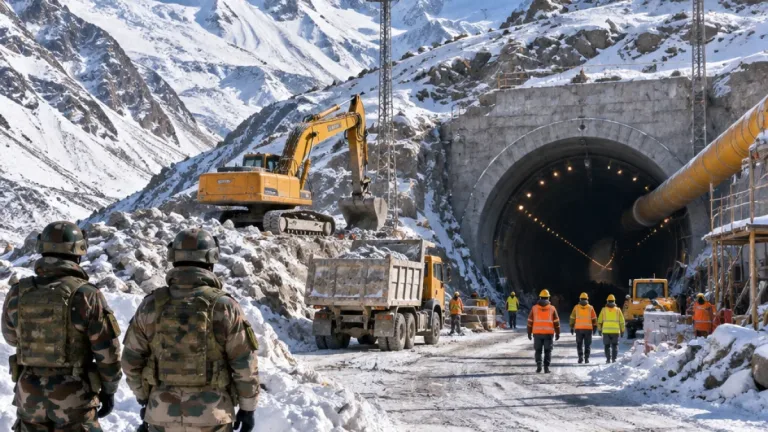
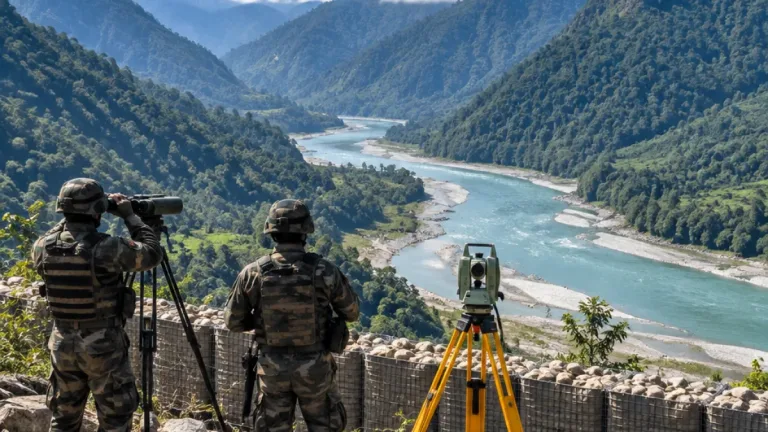
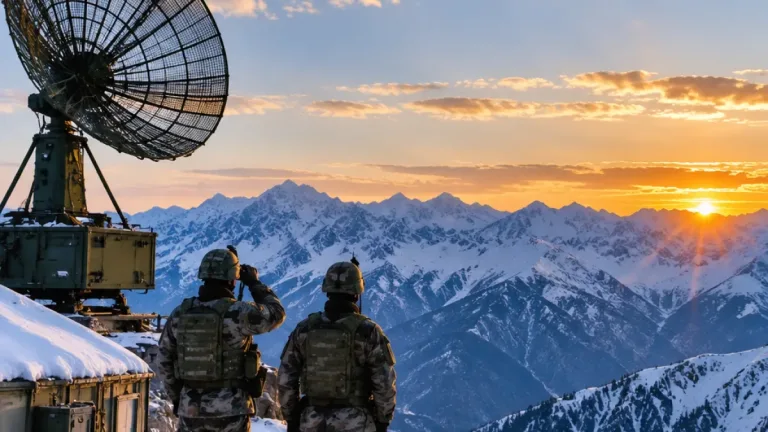
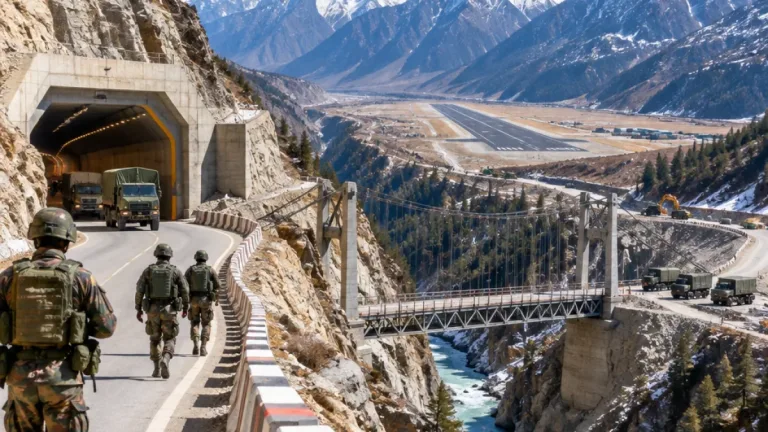
For India, the talks involve three countries that are central to its security and foreign-policy calculations. New Delhi continues to manage the unresolved India-China border dispute, while China has expanded its influence in India's wider neighbourhood, including Pakistan, Bangladesh, Nepal, Sri Lanka, the Maldives and Myanmar, according to the issues highlighted in the discussion of the meeting.
Any improvement in Washington-Moscow relations would be viewed in the context of India's defence and energy links with Russia. India has also faced pressure over those ties. At the same time, a possible understanding between Washington and Beijing could create a more complicated strategic environment for New Delhi, particularly as it seeks to maintain working relations with both powers while protecting its interests along the border and across the wider Indo-Pacific.
- Meeting: Xi Jinping, Donald Trump and Vladimir Putin are scheduled to meet in Shenzhen on 19 November.
- Key subjects: Nuclear weapons and the Ukraine war are expected to be among the issues under discussion.
- Indian relevance: The talks come against the backdrop of the India-China border dispute and India's defence and energy ties with Russia.
The trilateral meeting will also offer an indication of China's diplomatic weight at a time when Beijing is hosting the APEC gathering. For India, attention will centre on whether the leaders' engagement produces positions affecting the balance among Washington, Moscow and Beijing, and how those positions relate to India's immediate security concerns and wider strategic interests.