Resistance to the proposed 11,200-MW Siang Upper Multipurpose Project (SUMP) has intensified in Arunachal Pradesh, bringing a long-running dispute over indigenous rights, land and strategic infrastructure into sharper focus. The project is planned in the Siang river region, across the Abor and Adi valleys of the eastern Himalaya.
The Government of India has projected SUMP as both a major hydel-power project and a downstream hydrologic buffer in the context of infrastructure development by China on the Yarlung Tsangpo. The project’s strategic rationale has, however, met strong opposition among sections of the Adi community, which regards the river and its surrounding areas as central to its ancestral territory, cultural identity and indigenous governance structures.
Protesters demand halt to surveys
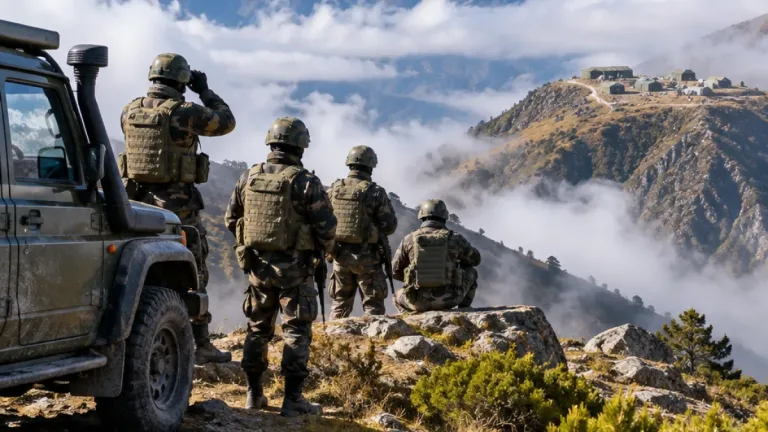
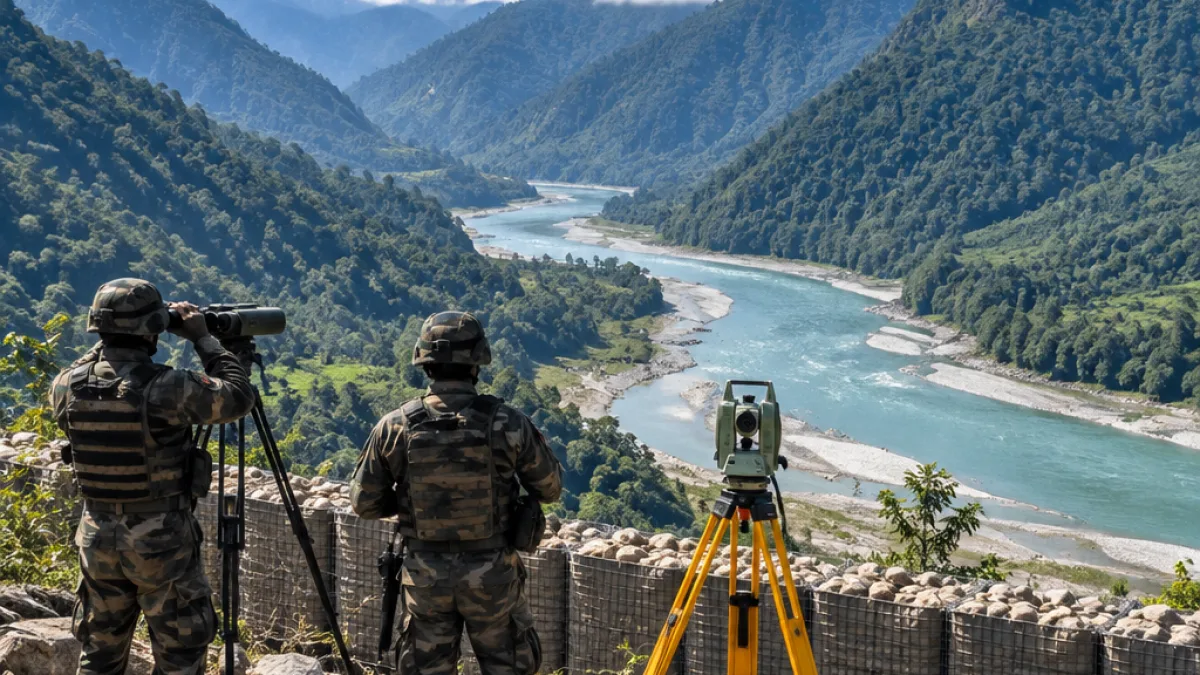
Protests gathered momentum through rallies, bandhs and demonstrations. On 31 October, protesters gheraoed Arunachal Bhawan in New Delhi. Their demands included the immediate release of detained anti-dam activists, the withdrawal of security forces deployed across the Siang valley and a complete halt to survey work connected with the preparation of pre-feasibility reports.
Indigenous rights activist Katon Mayong, also known as “Abor Man”, has emerged as a prominent opponent of the project. Following his detention and subsequent release, Mayong held a press conference and rejected the state government’s offer of further negotiations, according to National Herald India.
“Discussion time is over,” Katon Mayong said.
Mayong said the community had opposed the project across generations and rejected the prospect of a Siang dam. His remarks reflected the depth of opposition among sections of the Adi community, which says the project threatens its ancestral homelands and way of life.
A strategic project facing a consent question
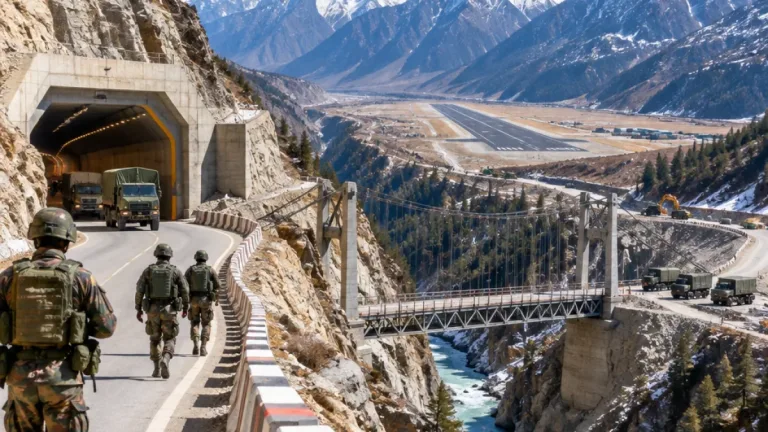
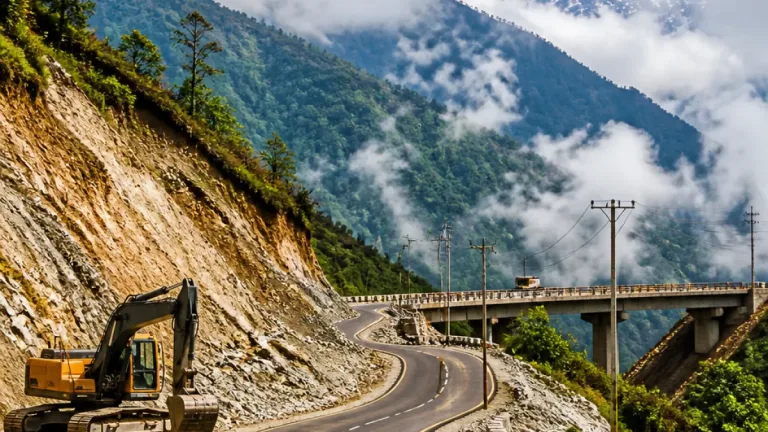
The dispute places two objectives alongside each other: the government’s stated interest in using large infrastructure to support hydel power and strategic planning near the China border, and the demand from local communities for consent and protection of their territory. The government’s project rationale is linked to the downstream implications of infrastructure on the Yarlung Tsangpo, while protesters have focused on the effect of the proposed dam on the Siang region and Adi society.
- Project: Siang Upper Multipurpose Project
- Proposed capacity: 11,200 MW
- Region: Siang river and the Abor and Adi valleys of Arunachal Pradesh
- Current dispute: Opposition to surveys, security-force deployment and further negotiations
The latest confrontation follows what National Herald India described as a decades-long struggle. Mayong said the community had raised its objections for 47 years, from the generation of its grandparents to the present. With local resistance now rejecting further talks and demanding a halt to pre-feasibility work, the project’s progress remains tied not only to its stated strategic and hydel objectives but also to the unresolved question of community consent in the Siang valley.