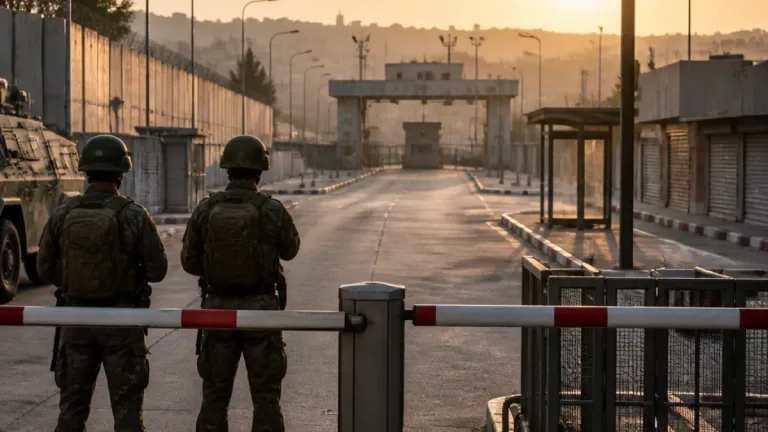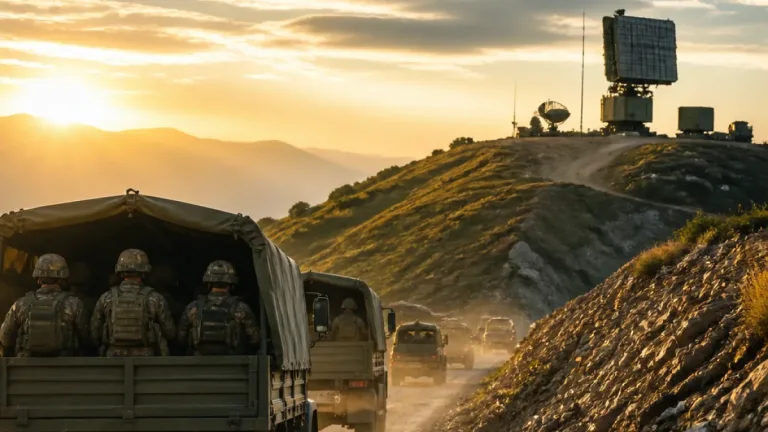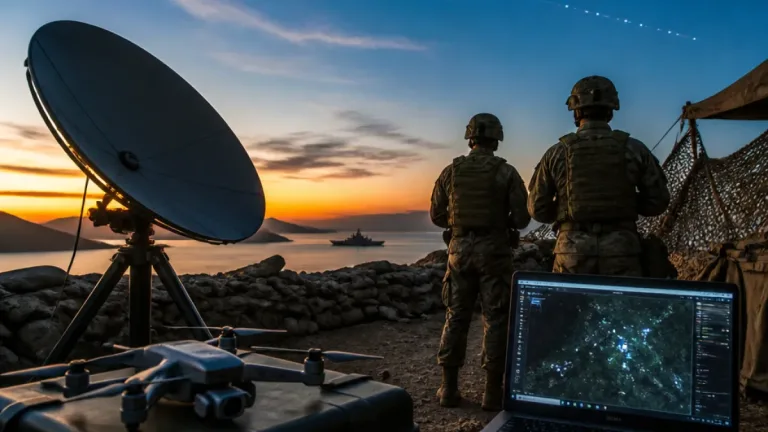
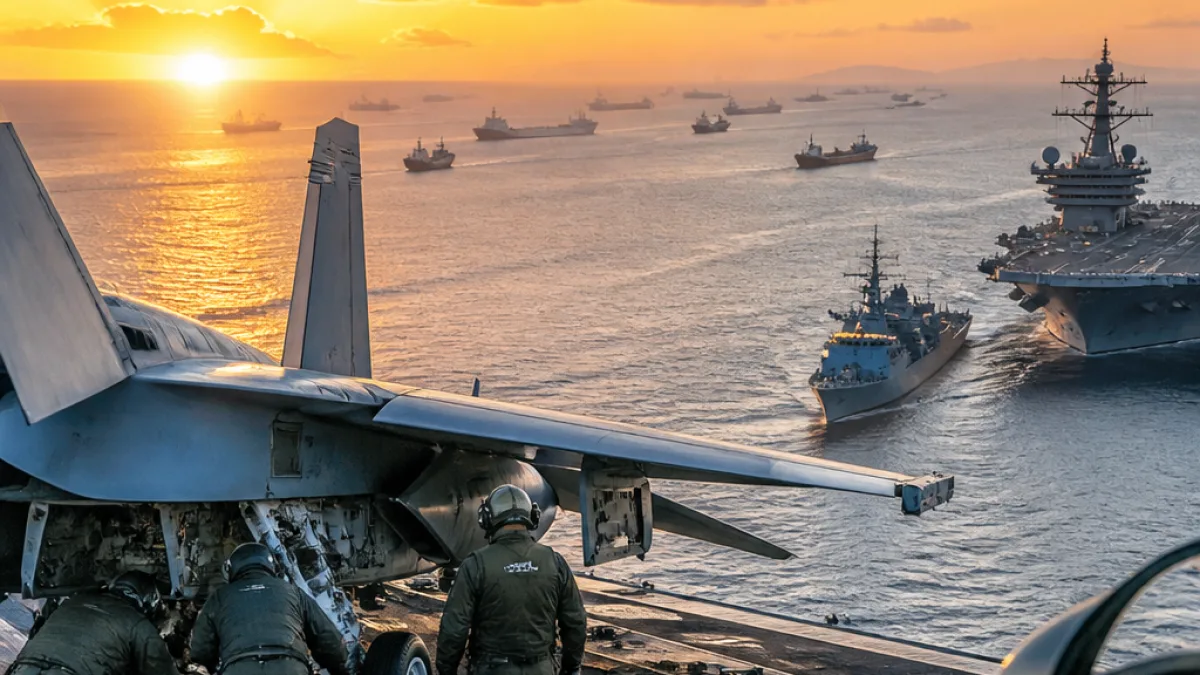
The United States is maintaining an extensive air and naval operation to protect commercial shipping through the Strait of Hormuz, with the mission continuing to place pressure on aircraft, warships and the personnel responsible for keeping them operational.
According to the US military, more than 3,000 commercial vessels have transited the waterway during the past six months under the protection of US and Gulf partner forces. The operation has enabled oil exports from the Persian Gulf to rise above pre-war levels in recent weeks, despite what the US military described as repeated Iranian attacks.
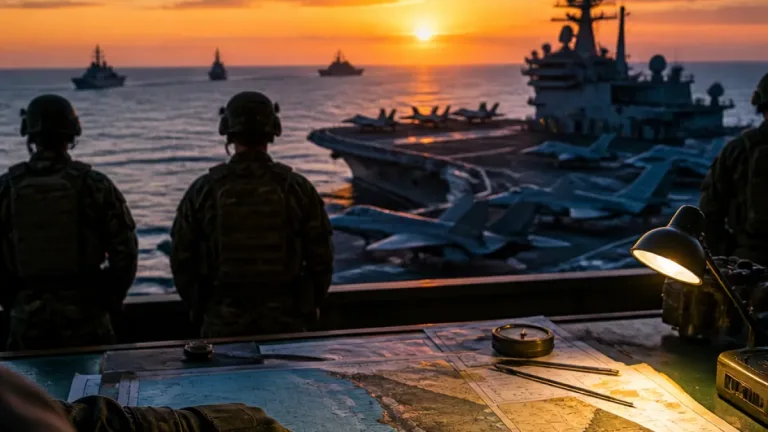
The protective missions involve F-35C and F/A-18 fighters operating alongside electronic-warfare aircraft, airborne radar platforms and helicopters used for submarine-hunting tasks. The aircraft operate as part of a wider protective network over tankers, with carrier-based pilots returning to ships after completing their sorties.
Around-the-clock deployments
US officials familiar with the missions said the tempo of operations was affecting both aircrew and the maintenance network needed to keep aircraft flying. The conflict has continued since February, and carriers involved in the operation have remained at sea for months with limited opportunities for rest or a port visit.
The extended deployments also involve guided-missile destroyers accompanying the carriers and enforcing the maritime blockade, according to officials familiar with the matter. The officials said the prolonged activity was placing additional demands on the ships and their crews.
| Area | Details reported by US authorities and officials |
|---|---|
| Commercial shipping | More than 3,000 vessels escorted through the Strait of Hormuz in six months |
| Oil movement | Central Command marked the export of 1.5 billion barrels since the summer |
| US naval presence | Operations spread across two aircraft carriers and an amphibious assault ship |
| Support network | Air bases across the Middle East and a maintenance hub on Diego Garcia |
Adm. Brad Cooper, commander of US forces in the Middle East, flew over the waterway last weekend as US Central Command marked the movement of 1.5 billion barrels of oil since the summer. The figure was cited in the context of the effort to keep energy shipments moving through the contested route.
Diego Garcia added to the maintenance network
Adm. Daryl Caudle, chief of naval operations, said the US Navy was drawing operational lessons from the conflict. He said a ship-maintenance hub had been established on Diego Garcia, the Indian Ocean island base, and that additional port visits were being planned for sailors.
The decision reflects the logistical demands of sustaining naval aviation and surface-ship operations over a prolonged period. The US military’s account links the protection of shipping to continued access to the world’s oil supplies, while the officials’ comments highlight the personnel and maintenance burden created by constant missions.
- More than 3,000 commercial vessels have crossed the Strait of Hormuz under the US-led protection effort in six months.
- US operations involve carrier aircraft, electronic-warfare platforms, airborne radar systems, helicopters and guided-missile destroyers.
- A maintenance hub on Diego Garcia is being used as part of the response to prolonged naval deployments.