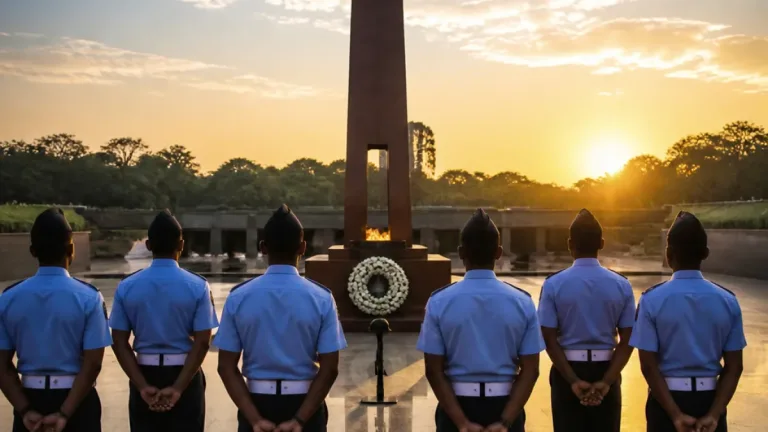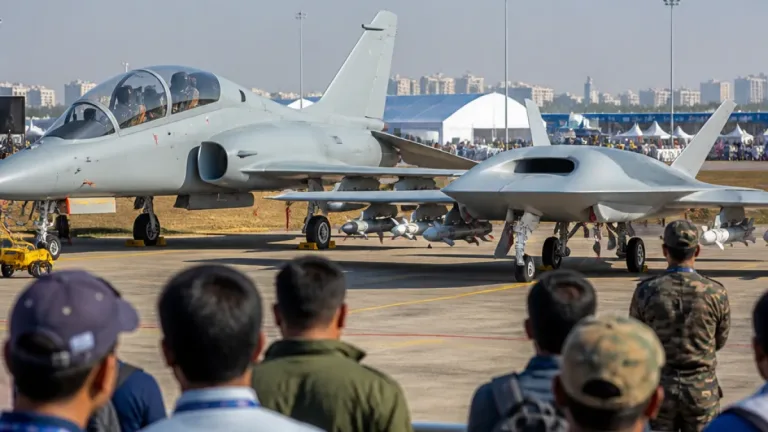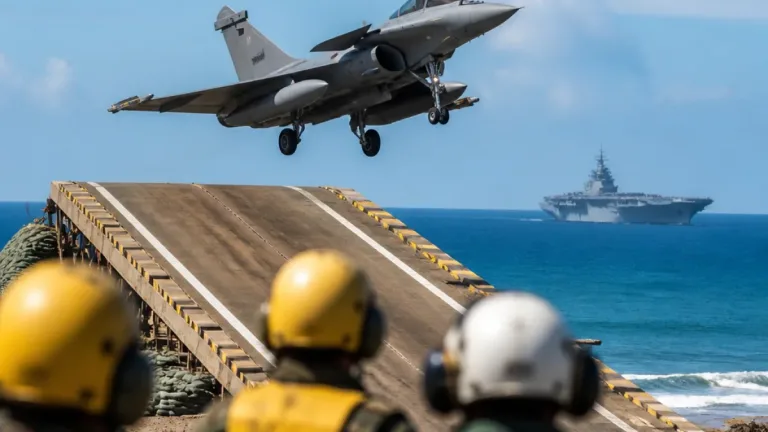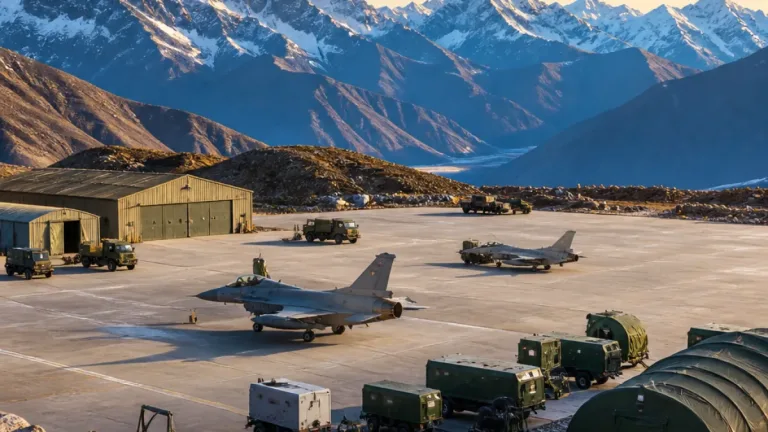
Air Chief Marshal Ashutosh Dixit, who took over as the 29th Chief of the Air Staff, has identified combat readiness, restoration of the Indian Air Force’s sanctioned squadron strength, self-reliance and joint operations as the central priorities for the service. He set out the agenda on Sunday, 1 November 2026, a day after assuming command.
Dixit presented the priorities under the acronym VAYU: Vigilance and readiness, Aatmanirbharta or self-reliance, Yukti or ingenuity, and Unity of effort across the three services. The framework places immediate operational preparedness alongside the development and induction of Indian platforms, sensors and weapons.
“Our security environment remains demanding. In addition, the character of war is being reshaped by new technologies and systems like drones, long-range precision weapons, space, cyber, AI and the electromagnetic spectrum.”
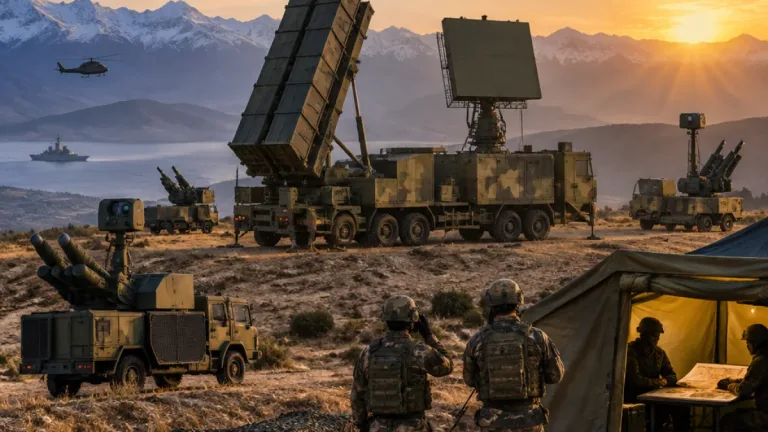
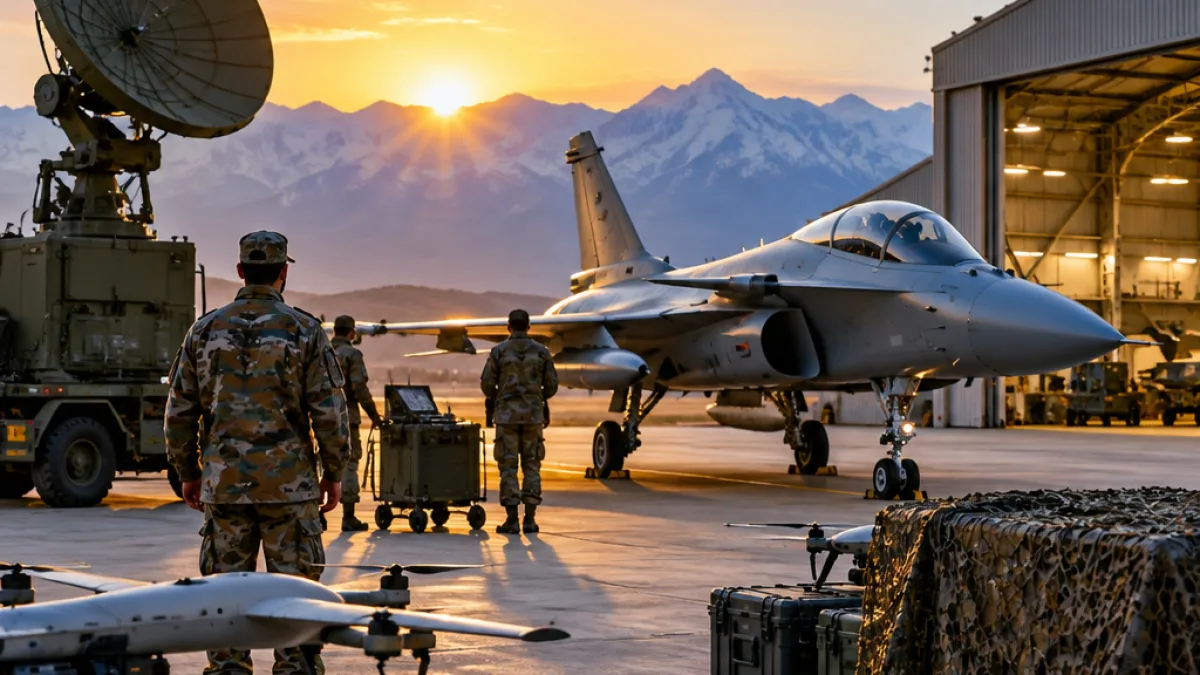
Under the first pillar, the Air Chief Marshal said every element of the force must be prepared for an immediate response. His formulation covered every squadron, radar and air defence unit, as well as all Air Warriors. He described the restoration of combat strength towards the sanctioned level as his “foremost task”, making fighter availability and force readiness a principal focus of the new tenure.
Indian systems to take priority
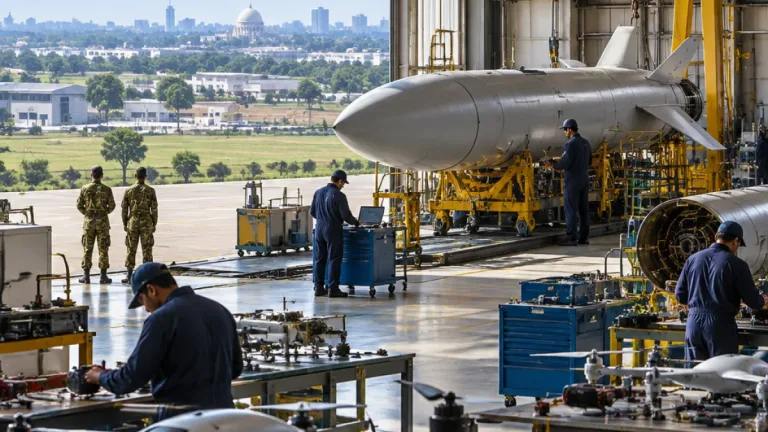
The Aatmanirbharta pillar gives priority to Indian equipment and technologies. Dixit specifically named the Tejas Mk1A and II, the AMCA, Indian sensors and Indian weapons. He said the IAF would seek to operate with Indian solutions and hold them in numbers sufficient to sustain operational demands.
The Chief of the Air Staff linked this effort not only to combat capability but also to deterrence. He said the responsibility of the Air Force was to fight and win, while stressing that credible air power should most importantly deter conflict. The remarks place the development of domestic platforms and weapons within the wider requirement for a force capable of sustained operations.
Technology and changing forms of warfare
The Yukti pillar addresses the changing technological and operational environment. The areas identified by Dixit include innovation in doctrine, procedures and technology, along with networked and AI-enabled command and control. He also listed layered counter-drone defence, responsive maintenance, force protection, resilience and the use of near-space as operational domains for the Air Force.
- Vigilance: immediate readiness across squadrons, radars, air defence units and personnel.
- Aatmanirbharta: priority for the Tejas Mk1A and II, AMCA, Indian sensors and Indian weapons.
- Yukti: innovation, AI-enabled command and control, counter-drone defence, resilience and near-space operations.
- Unity: coordinated effort across the Army, Navy and Air Force.
Dixit said these areas would be constantly monitored and progressed as the IAF transforms into the force India will need in the next decade. He also underlined that the service must remain ready to fight and win while adapting to drones, long-range precision weapons, space, cyber capabilities, artificial intelligence and the electromagnetic spectrum.
The new Chief of the Air Staff succeeds Air Chief Marshal AP Singh, who retired after 42 years of service. Dixit’s opening priorities therefore combine an immediate emphasis on readiness and combat strength with a longer-term focus on Indian platforms, technological innovation and closer coordination among the three services.