Pakistan remains involved in diplomatic efforts
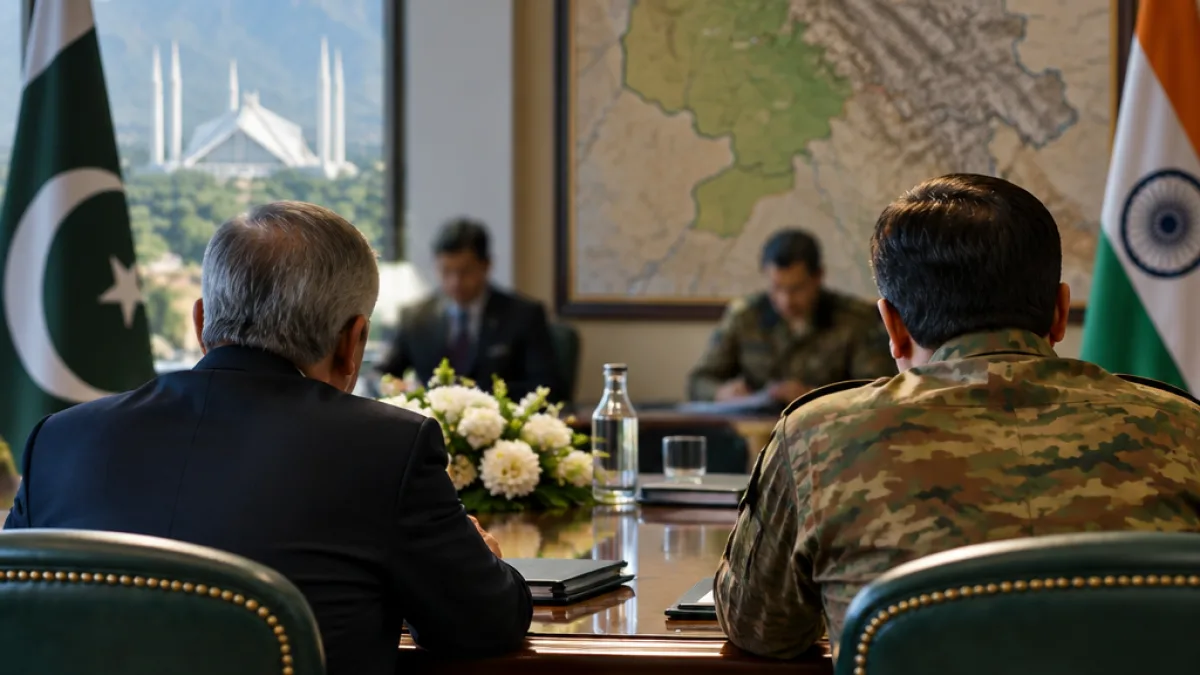
Pakistan army chief Asim Munir met Iranian Foreign Minister Abbas Araghchi in Islamabad on Monday, 16 November 2026, as diplomatic efforts continued to revive a ceasefire between the United States and Iran. Pakistan’s military confirmed the meeting in a statement issued on Tuesday.
The discussions covered regional security, changing geopolitical conditions and matters of mutual interest, according to Pakistan’s military media wing. The meeting placed Pakistan’s military leadership alongside the country’s diplomatic efforts to address a conflict that has affected security calculations across the Gulf and the wider region.
“Matters of mutual interest, regional security dynamics and evolving geopolitical developments were discussed,”
Pakistan’s military said Munir also emphasised the importance of continued engagement, mutual trust and close coordination between Pakistan and Iran. The statement described these as necessary for promoting regional peace and stability. The remarks were attributed to the Pakistani military and did not indicate that a new ceasefire agreement had been reached.
Islamabad says Hormuz proposal is awaiting a response
Araghchi arrived in Pakistan late on Sunday, 15 November, to attend a meeting of the Economic Cooperation Organization, which brings together countries from Central Asia, South Asia and the Middle East. His visit came as Islamabad pursued contacts aimed at restarting negotiations after an earlier truce broke down.
Pakistan’s Foreign Minister Ishaq Dar said on Monday that he had held “very candid, very frank” discussions with Araghchi. Dar also said Iran had proposed reopening the Strait of Hormuz for two days as part of efforts to end the conflict, but that Washington had not yet responded to the proposal.
The Strait of Hormuz is central to the diplomatic process described by Pakistan. Islamabad had brokered an accord in June that briefly halted fighting between the United States and Iran and established a roadmap for further negotiations. The proposed agenda included reopening the waterway and addressing Iran’s nuclear programme. The truce later collapsed after Washington and Tehran accused each other of violating it.
Qatar and Pakistan lead mediation contacts
Qatar and Pakistan have since led efforts to revive the ceasefire through diplomatic contacts. The United States and Israel launched the war on 28 February, according to the account carried by Arab News. The conflict followed demands for Iran to end nuclear-related activities, while Iran responded with strikes targeting US allies in the Gulf.
Iran has linked any reopening of the Strait of Hormuz to conditions including the release of frozen assets held abroad, sanctions relief and an end to the US naval blockade of Iranian ports. The Pakistani military’s statement on 17 November described the Munir-Araghchi meeting as part of ongoing engagement, but did not announce a settlement or confirm that the fighting had ended.