India is pressing forward with one of the largest structural reforms in its military history: theatreisation, the integration of the Army, Navy and Air Force under unified geographical commands. The discussion, presented on Firstpost Spotlight, revisits the origins of the reform and the institutional arguments shaping its design, including the proposal for Northern, Western and Maritime Theatre Commands.
What the reform seeks to change
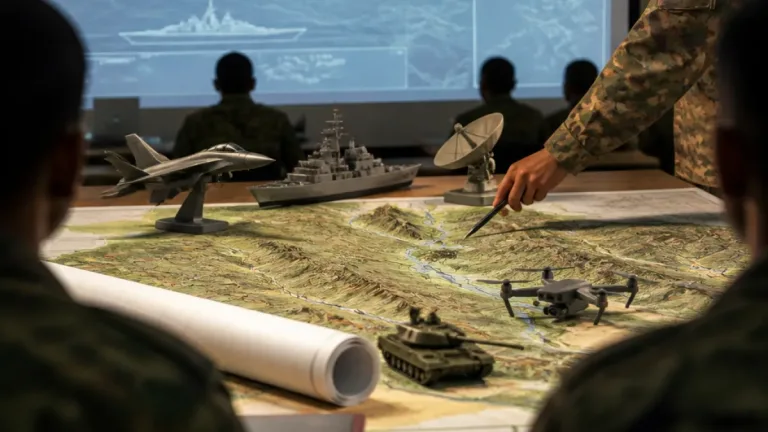
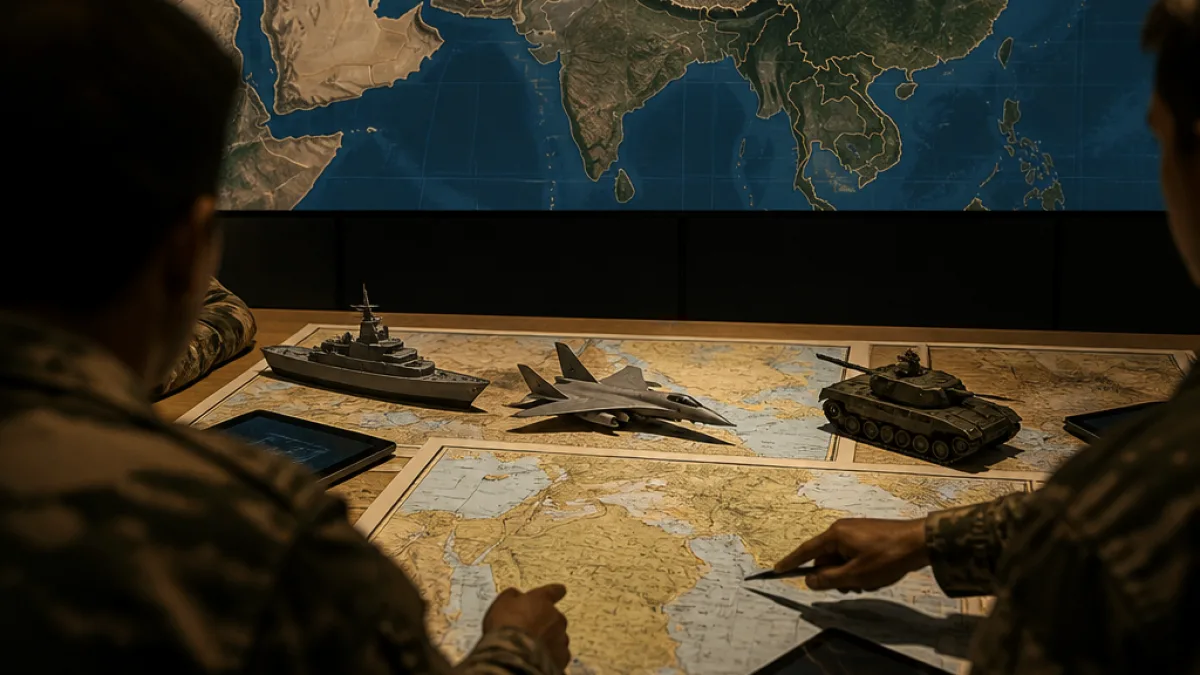
Theatreisation aims to create geographically organised commands that bring the three services under a single command chain for operations in specified theatres. Proponents say unified commands can improve coordination, reduce duplication in planning and logistics, and speed decision‑making in a crisis. The initiative traces back to Prime Minister Narendra Modi’s announcement in 2019 and has since featured in policy discussions across the services and the Ministry of Defence.
Service concerns and the case for an Indian model
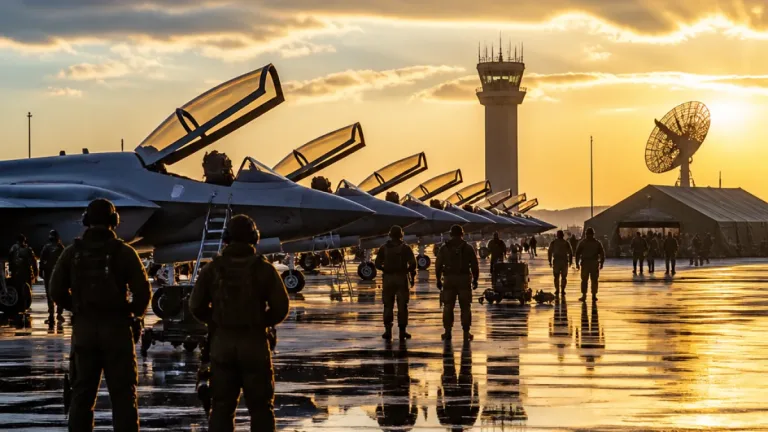
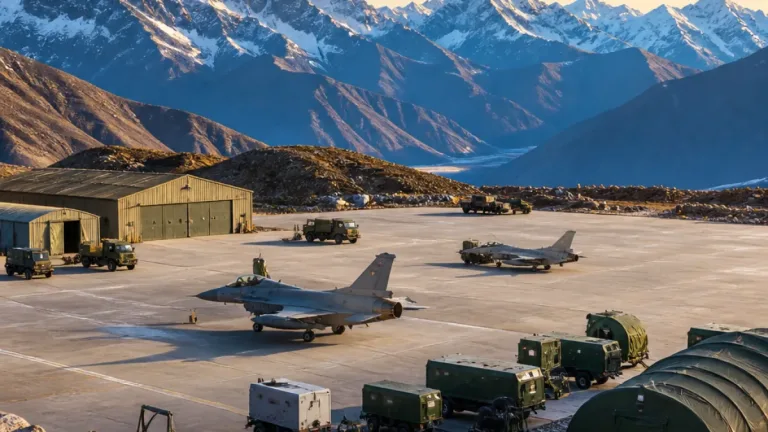
Air Chief Marshal A.P. Singh, Chief of the Air Staff, has argued for a distinctly Indian model of theatreisation that retains the operational flexibility of air power and avoids permanently assigning fighter squadrons to individual theatre commands. His point reflects a central tension in the reform: while unified commands can sharpen joint operations, permanently dividing scarce air assets among theatres can constrain national-level employment of air power and complicate training and maintenance cycles.
Firstpost Spotlight’s discussion, hosted by Cary Johnston with Group Captain M.J. Augustine Vinod (Retd), examines these trade‑offs and the institutional changes that would be required to move from single‑service command cultures to integrated theatre commands.
- Proposed theatres: Northern, Western and Maritime Theatre Commands (as discussed on the programme)
- Main debate: permanent allocation of air assets versus centralised air‑power reserve
- Institutional changes: new command headquarters, joint staff structures and revised training and logistics arrangements
Implications for training and organisation
Speakers on the programme highlighted the need to redesign training pipelines, joint doctrine and exercises to reflect theatre command structures. Transitioning to theatreisation would require changes in staff functions, personnel postings and the way the services plan combined operations — issues that are central to Leadership, Training & Reforms and to the operational readiness of the armed forces.
Theatreisation remains an evolving policy debate. Firstpost Spotlight’s examination brings together a service chief’s practical reservations and veteran perspectives on institutional design, without prescribing a single blueprint. The discussion underlines that any path to theatre commands will need detailed decisions on asset apportionment, command relationships and the mechanisms that preserve national flexibility while enabling theatre‑level unity of effort.