India and Australia have completed the fifth edition of their joint military exercise, AUSTRAHIND 2026, after 14 days of training at the Foreign Training Node in Thiruvananthapuram, Kerala. The exercise concluded with a closing ceremony on Sunday, marking the end of activities involving the two countries’ armies.
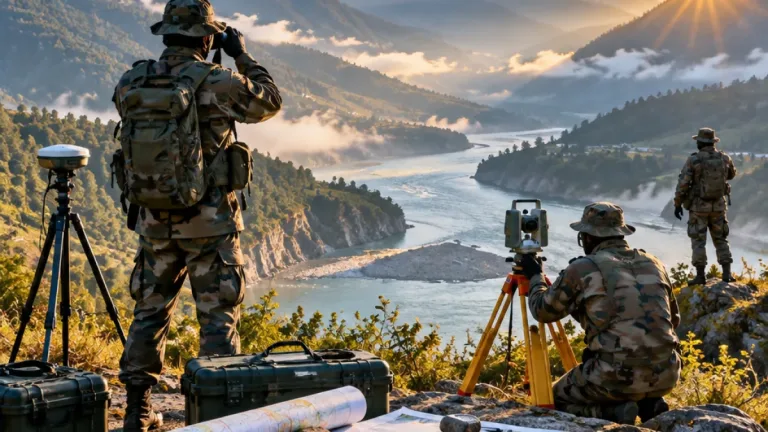
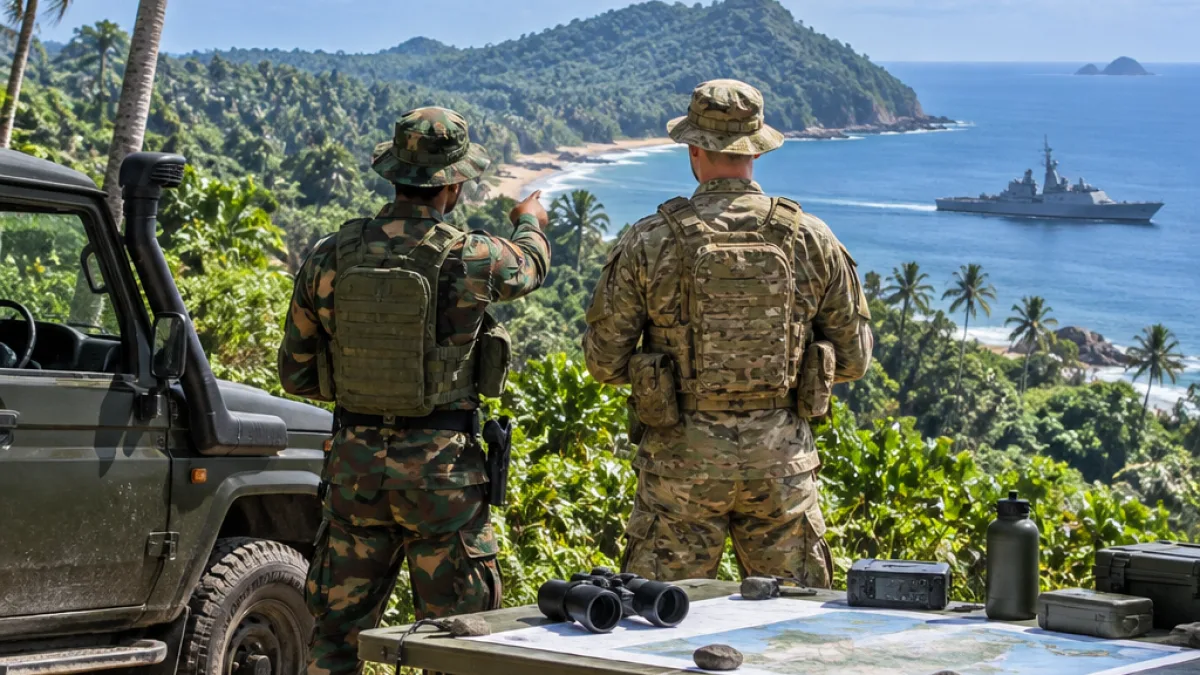
The training was structured around operations in jungle, coastal and island environments. These settings formed the central focus of the exercise and were intended to expose personnel from both armies to different terrain conditions while developing their ability to work together during tactical activities.
Training across varied terrain
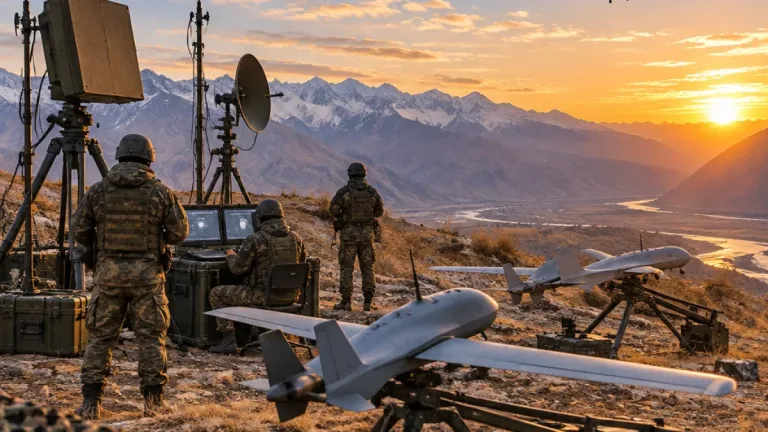
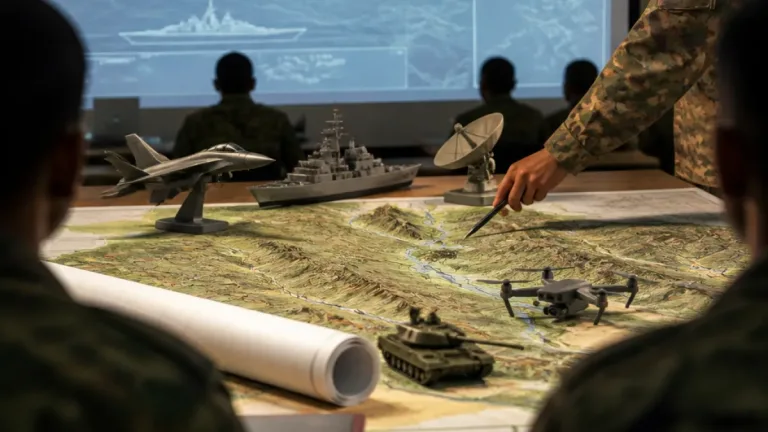
According to the Indian Army, AUSTRAHIND 2026 was designed to improve collaboration between the two forces and strengthen interoperability. Personnel from India and Australia took part in intensive training and simulated combat scenarios based on the operational use of their respective military doctrines.
| Exercise detail | Information provided |
|---|---|
| Edition | Fifth iteration |
| Duration | 14 days |
| Venue | Foreign Training Node, Thiruvananthapuram, Kerala |
| Training environments | Jungle, coastal and island terrain |
The Indian Army said the exercise sought not only to improve the two forces’ ability to operate together but also to build mutual trust. The activities were intended to provide practical applications of military doctrines and prepare both armies for possible joint operations in future conflicts.
Focus on interoperability and regional security
The exercise forms part of wider military cooperation between India and Australia. Both countries are described as key participants in the Indo-Pacific, where the need for collaborative training has gained importance amid changing geopolitical conditions in Asia.
AUSTRAHIND 2026 also reflected the two armies’ stated interest in maintaining regional security and reinforcing shared security interests. The Indian Army said such exercises support cooperation among countries in the Indo-Pacific by improving coordination and familiarising personnel with the procedures and operational approaches of a partner force.
- 14 days of joint training were conducted in Kerala.
- The exercise covered jungle, coastal and island environments.
- The Indian Army identified interoperability, mutual trust and regional security as key objectives.
The conclusion of the exercise provides a further example of India-Australia defence engagement through field-level training. The focus remained on tactical skills, simulated combat situations and the practical coordination required when the two armies train for potential joint operations.