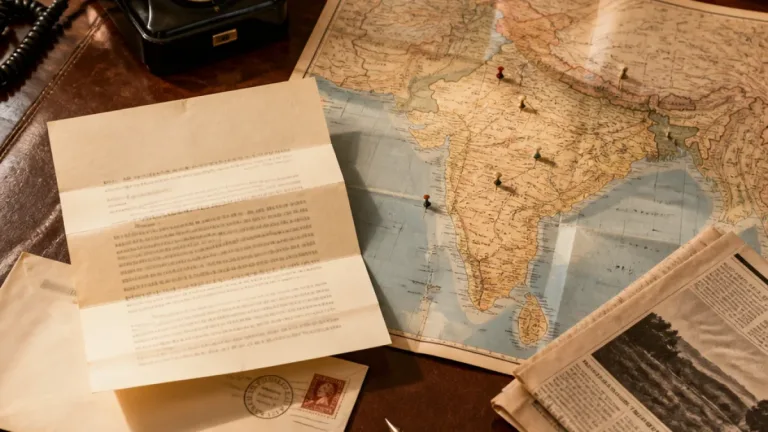
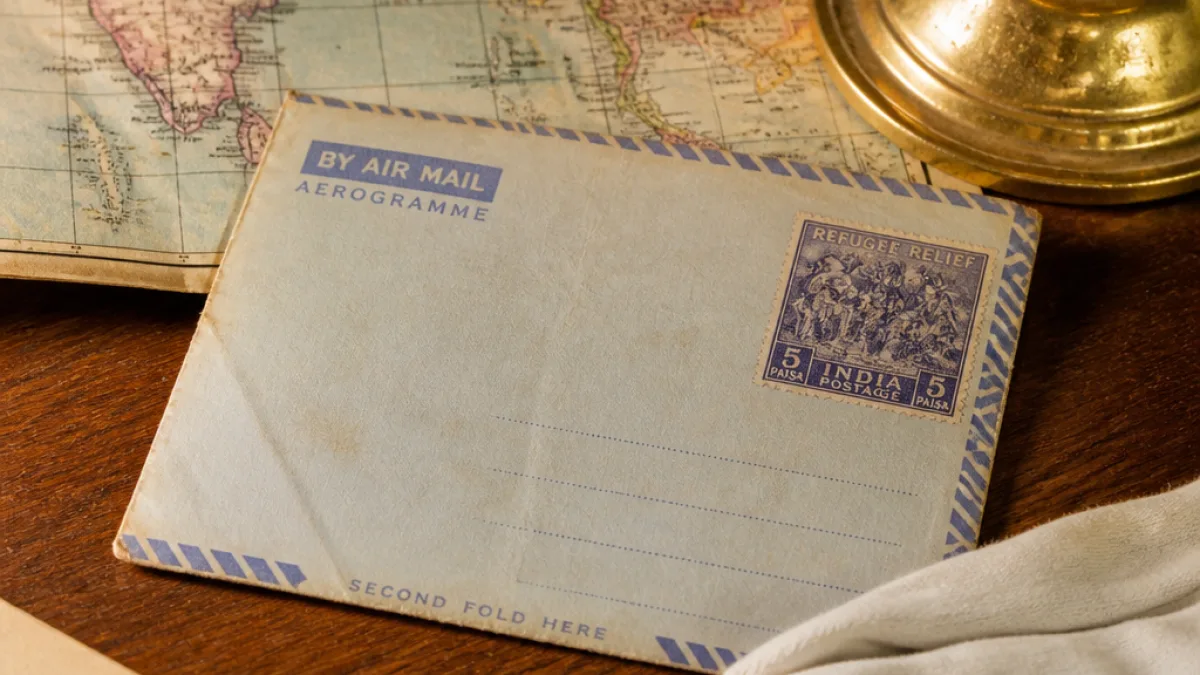
An aerogramme written in India in January 1972 has survived as a rare personal record of the aftermath of the 1971 Liberation War of Bangladesh. Written by missionary couple Reverend R V Marble and Martha Marble, the letter offers a contemporary view of a conflict that reshaped South Asian politics and produced one of the region’s largest humanitarian crises.
A personal document from a defining conflict
The letter was addressed to Mr and Mrs J W Jacobs Jr of South Main, Fayette, Missouri, in the United States. Its significance lies not only in the identity of its writers or recipients, but also in the timing. It was composed shortly after the war, when the consequences of the fighting, the movement of displaced people and the political transformation of the region were still immediate.
Historical letters can provide evidence that is different from official communiqués, military records or diplomatic archives. They preserve the observations, concerns and assumptions of people who experienced a particular period. For historians, such correspondence can help reconstruct how individuals understood a war and how wider events affected public attitudes.
The aerogramme was acquired at an online philatelic auction by a collector of memorabilia linked to the 1971 war. The initial attraction was a five-paisa “Refugee Relief Tax” stamp attached to the item. India imposed the levy on almost all letters during the mass migration associated with the crisis, with limited exceptions.
Why the stamp matters
The additional stamp connects an ordinary piece of postal material with the administrative and social pressures created by the refugee influx. It also demonstrates how the effects of the conflict reached beyond battlefields and diplomatic negotiations, entering the country’s postal system and the everyday communication of civilians and aid workers.
The collector’s investigation initially produced little information about Reverend R V Marble. Searches for a missionary of that name living in Delhi around 1972 did not establish a clear identification, while records relating to the Jacobs family were similarly inconclusive. Further research led to contact with the United Methodist Church in the United States, which helped establish the Marble couple’s connection with the events surrounding the Liberation War.
- Document: An aerogramme written in India in January 1972
- Writers: Reverend R V Marble and Martha Marble
- Historical context: The 1971 Liberation War of Bangladesh and its aftermath
- Postal mark: India’s five-paisa Refugee Relief Tax stamp
For readers in India, the item is a reminder that the 1971 conflict was not confined to military operations. India’s role in dealing with the displacement caused by the war, including the levy placed on correspondence, formed part of the country’s wider experience of the crisis. The aerogramme therefore links military history with humanitarian administration, missionary work and the movement of information across borders.
More than five decades after it was written, the letter remains a piece of material evidence from a pivotal period. Its value comes from the combination of its date, its Indian postal markings, the background of its writers and the historical circumstances in which it travelled. Alongside formal archives, such documents help preserve how the 1971 war and its aftermath were recorded by people living through the period.