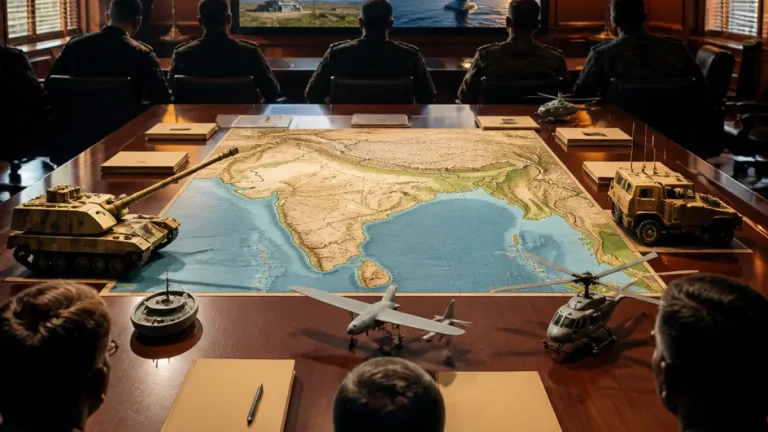
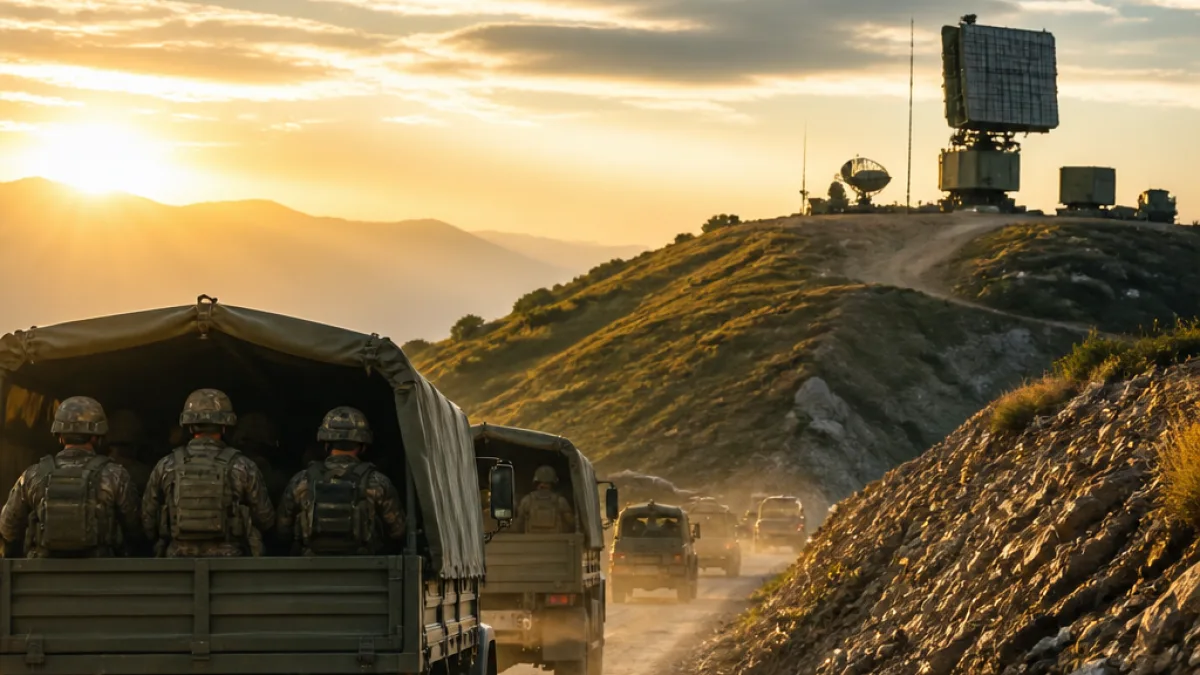
The Israel Defense Forces (IDF) moved to its highest state of readiness on Saturday and massed forces across multiple fronts in the run‑up to Israel’s 27 October parliamentary elections, public broadcaster KAN reported.
What the military has said
KAN reported that the army had deployed “tens of thousands” of troops along borders and across several areas, including Gaza, Lebanon, the West Bank and sectors around Jerusalem. The broadcaster said the IDF raised its alert level “to the highest level” and would stage large‑scale exercises on Sunday and Monday simulating a simultaneous surprise attack on multiple fronts.
Unnamed military officials told KAN that there was “no specific intelligence” pointing to an imminent strike, but that forces were preparing for a range of scenarios to avoid being caught unaware. Air‑defence units were reported to be making extensive preparations amid concerns about possible missile launches from Iran or from across the Lebanon border, although military assessments indicated that the likelihood had declined.
Scope and posture
The mobilisation described by KAN encompasses both defensive and exercise activity. The broadcaster said the IDF had positioned forces along the borders and across several fronts, and planned large exercises to rehearse responses to complex, multi‑front attacks. The heightened posture follows a recent shooting near Hebron in the West Bank that killed two Israeli soldiers and wounded three others; the army said it had killed the two Palestinian suspects involved.
Reports emphasise three linked elements of the preparations:
- force deployment: tens of thousands of troops placed on higher readiness across Gaza, Lebanon, the West Bank and around Jerusalem;
- air‑defence preparations: extensive activity to ready systems for potential missile launches from Iran or Lebanon;
- exercises: large‑scale drills on Sunday and Monday simulating surprise, simultaneous attacks on multiple fronts.
Context and timing
The alert and deployments come three days before Israelis vote in a parliamentary election on 27 October. KAN quoted unnamed military officials who described the steps as precautionary, intended to deter or respond to a variety of contingencies rather than prompted by a single, specific threat. The elevated posture also coincides with intensified operations and security measures in the West Bank after the Hebron attack, which Israeli leaders said required robust military action.
The broadcaster’s account underlines how domestic political milestones and external security pressures are interacting in Israel. The army’s readiness and the schedule of exercises in the immediate pre‑election period have been framed publicly as measures to prevent surprise attacks and to reassure the population and political leadership.
| Aspect | Reported detail |
|---|---|
| Alert level | “to the highest level” (KAN) |
| Troop deployments | tens of thousands across several fronts (KAN) |
| Geographic focus | Gaza, Lebanon, West Bank, areas surrounding Jerusalem (KAN) |
| Exercises | large‑scale drills simulating simultaneous multi‑front attack (planned Sunday–Monday) |
| Intel | Unnamed officials: “no specific intelligence” but preparing for a range of scenarios |
The IDF’s public posture, as reported by KAN, reflects an emphasis on deterrence and readiness ahead of a politically sensitive moment. The broadcaster’s account quoted unnamed officials for operational context; the Israeli government and military routinely adjust force postures around elections and during periods of heightened regional tension.
The developments were reported late on 24 October and updated into 25 October 2026 by KAN and other outlets. The army’s movements and exercises were described as precautionary steps to reduce the risk of being surprised by hostile action from multiple directions during the election period.