India’s counter-swarm drone programme has reached a new development milestone, with Nagpur-based Solar Defence and Aerospace Ltd (SDAL) completing in-house trials of its vehicle-mounted Bhargavastra system at the Pokhran field firing ranges. The trials were conducted from 20 to 24 November and involved the system’s two proposed layers of engagement: air defence rockets and guided micro-missiles.
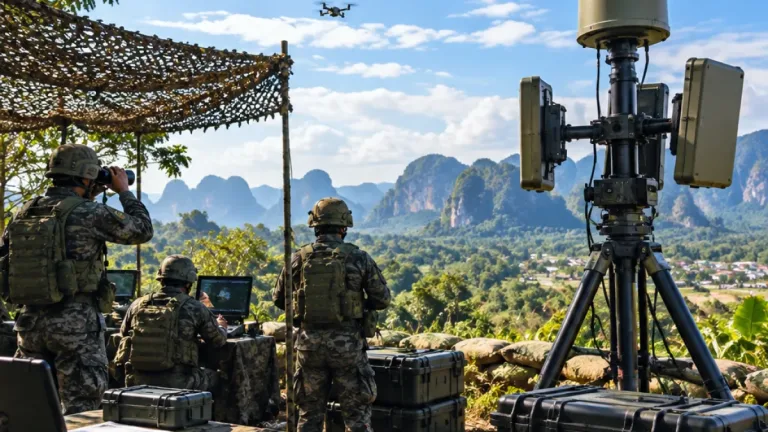
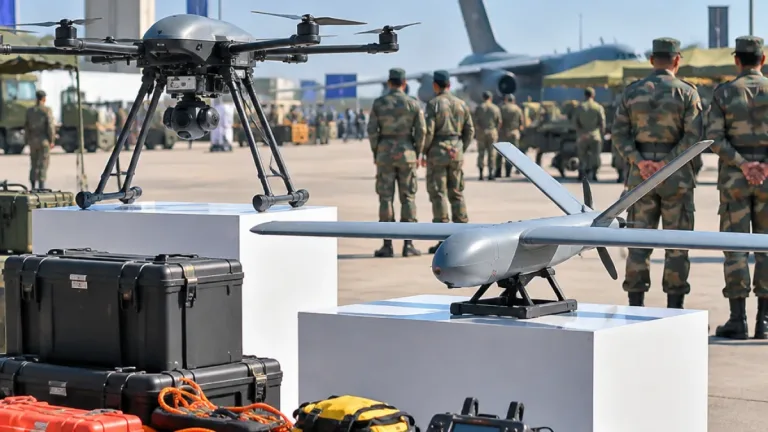
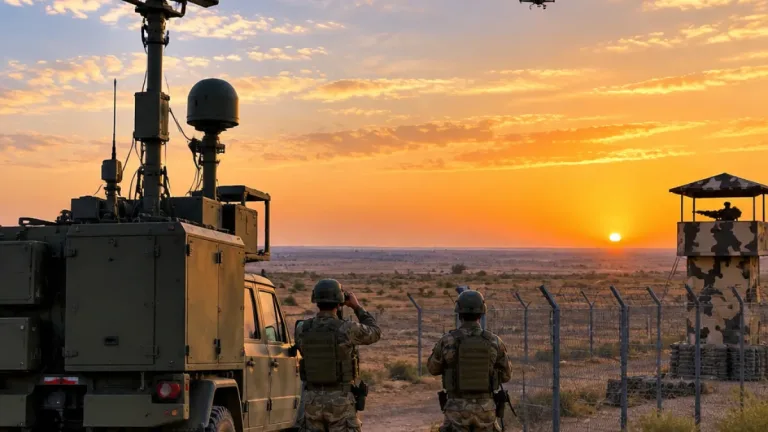
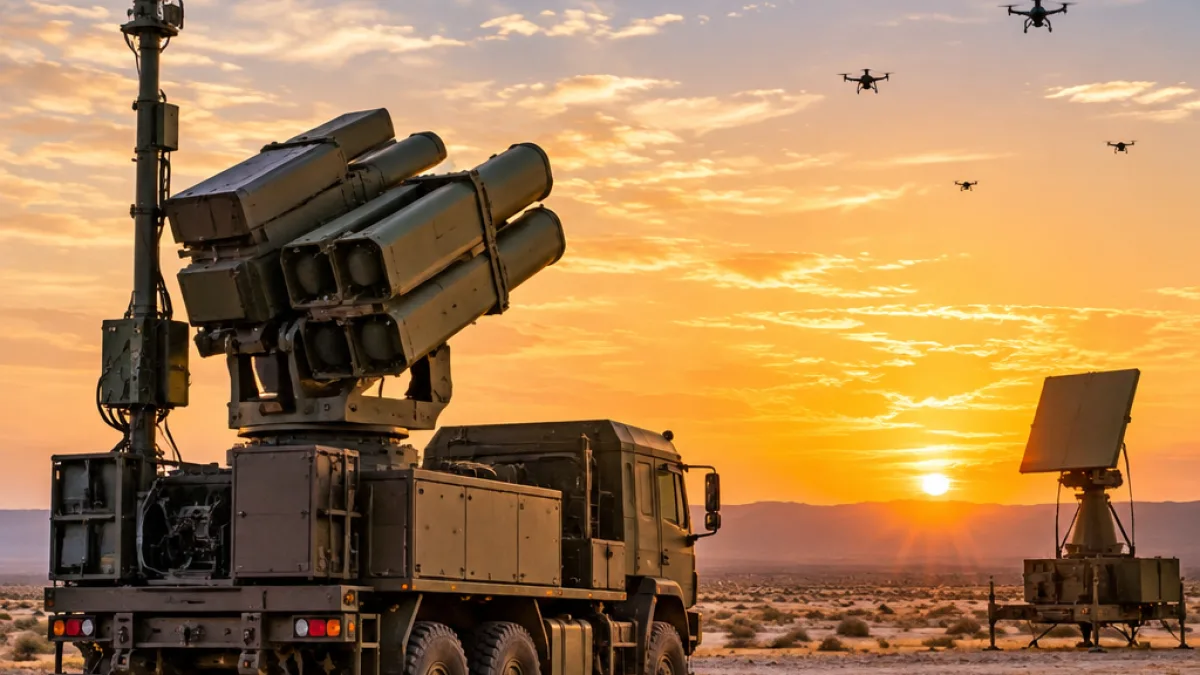
SDAL, a part of the Solar Industries group, said Bhargavastra had been designed, developed and integrated as a Vehicle-Mounted Counter Swarm Drone System (VMCSDS). The company describes it as India’s first indigenously designed and developed two-layer vehicle-mounted counter-swarm drone system. Its stated purpose is to engage several drones at the same time, including hostile swarm formations that could place pressure on conventional air-defence resources.
Rocket and micro-missile trials
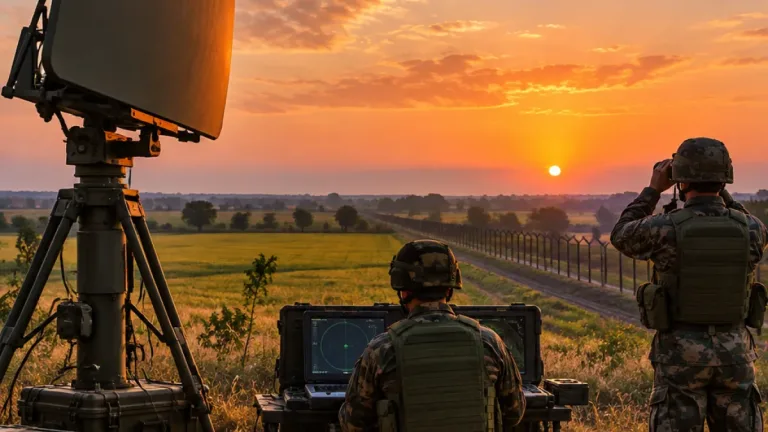
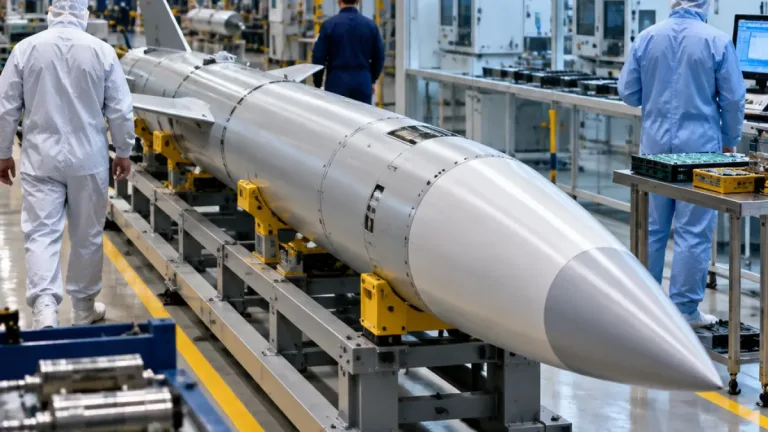
According to the company, the rocket firings used actual swarm-drone targets. The targets were detected and tracked by Bhargavastra’s sensors and its C4I network, after which the rockets were fired against them. SDAL said the warheads struck their designated points. The company also reported a separate series of trials for the micro-missiles, covering their guidance and terminal homing against drones.
“During development trials, multiple firings of rockets and micro-missiles were conducted. Rockets were fired against actual swarm drone targets detected and tracked by the system's sensors and C4I network. The warheads successfully hit their designated points, demonstrating the system's effectiveness. Separate trials also successfully demonstrated the guidance and terminal homing capabilities of the micro-missiles against drones. Bhargavastra is now ready for prototype demonstration in deliverable configuration, marking a significant step towards strengthening the armed forces' capability to counter the growing threat of swarm drones based on indigenous technology,” the company statement said.
The reported results are development-trial claims by SDAL and should be distinguished from an induction or an operational clearance. The company said the system is now ready for a prototype demonstration in deliverable configuration. It is likely to be offered to the Indian Army in January, but the trials described are the developer’s in-house development activity rather than confirmation of acceptance into service.
Link to the Army’s Make II requirement
Bhargavastra has been developed against specific qualitative requirements issued by the Indian Army through a project sanction order from the Ministry of Defence’s defence production department. The order was issued on 9 July 2024 under the Make II (Buy Indian IDDM) route for Version-I of the VMCSDS, which uses rockets.
| Programme detail | Information reported |
|---|---|
| System | Bhargavastra VMCSDS |
| Development location | Pokhran field firing ranges |
| Trial period | 20-24 November |
| Weapon layers | Air defence rockets and guided micro-missiles |
| Procurement route | Make II (Buy Indian IDDM) |
The sanction order was issued to a number of private-sector companies for development of the vehicle-mounted system. Its probable completion date is 31 March 2027. The planned output under the order is one prototype set, followed by 12 deliverable sets after successful completion of the prototype demonstration.
The Pokhran activity therefore marks progress in the development cycle, but not the end of the Army’s evaluation or the start of deployment. The next stated step is demonstration of the prototype in a deliverable configuration. Until that process is completed, the rocket and micro-missile performance described by SDAL remains part of the system’s development record rather than an announcement of induction.