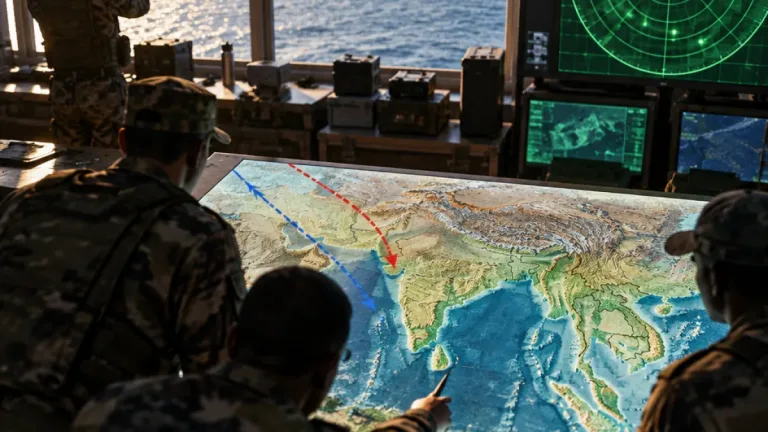
The Philippines has rejected China’s objection to Japan’s planned provision of coastal surveillance radars and unmanned aerial vehicles, saying Manila has the sovereign authority to select its defence partners. The exchange has brought renewed attention to the expanding security cooperation between the Philippines and Japan amid tensions in the South China Sea.
Assistant Secretary Arsenio Andolong, spokesperson for the Philippines’ Department of National Defence (DND), said on Sunday, 29 November 2026, that the country would determine how to strengthen its defence capabilities. His statement followed criticism from China’s Ministry of National Defence over the proposed Japanese assistance.
“This is not open to compromise of any form,” Assistant Secretary Arsenio Andolong said.
Manila defends its choice of security partners
Andolong said the Philippines was a sovereign state with the sole authority to choose its partners and decide the measures required to improve national defence. The DND spokesperson’s comments were directed at remarks made by Senior Colonel Chen Xi, spokesperson for China’s Ministry of National Defence, on Thursday, 26 November 2026.
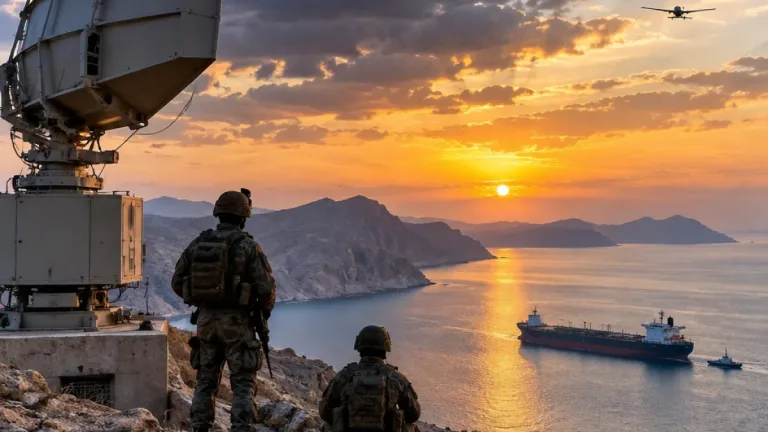
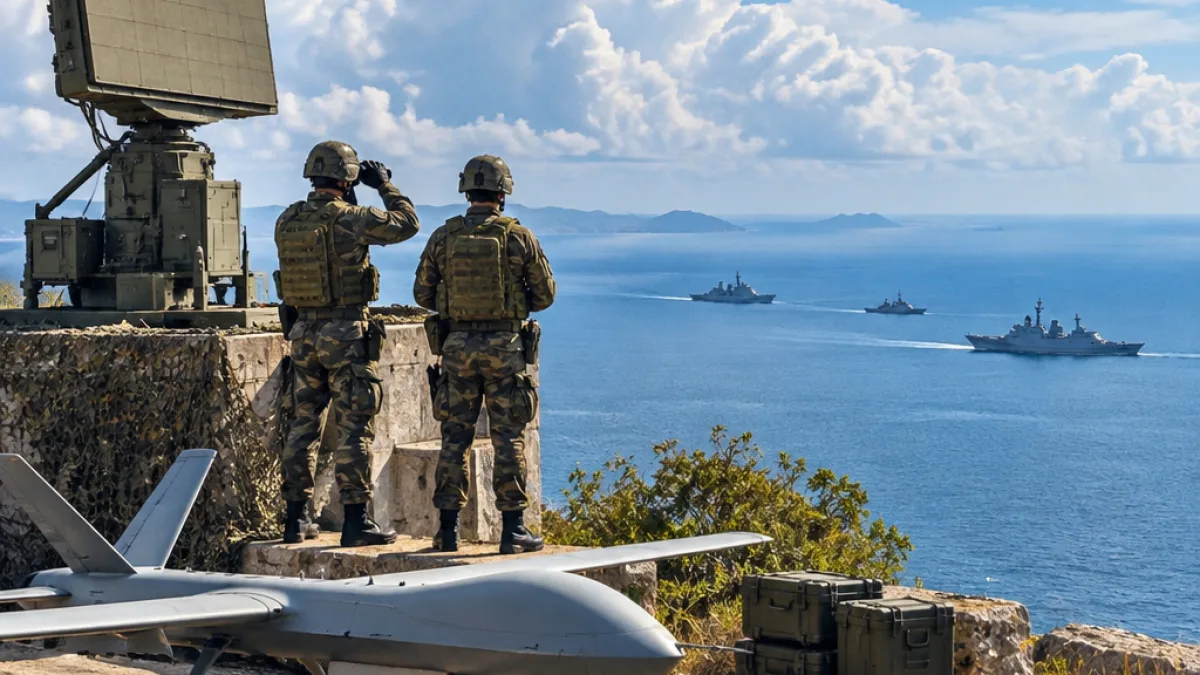
Chen was responding to reports that Japan would provide the Philippines with coastal surveillance radars and surveillance unmanned aerial vehicles through Tokyo’s Official Security Assistance programme. He accused Japan of interfering in the South China Sea issue and of increasing regional tensions by supplying military equipment to countries including the Philippines.
China’s defence ministry spokesperson also criticised a recommendation by Japan’s National Institute for Defence Studies that Tokyo maintain its presence in the South China Sea and strengthen cooperation with allies and partners. Chen said Japan was not a party to the South China Sea dispute and should avoid what he described as irresponsible remarks.
Dispute centres on maritime surveillance
According to Chen, Japan’s actions undermined regional peace and stability and amounted to support for efforts to change the regional status quo through force or coercion. The description reflects Beijing’s position and was not presented as an independent assessment.
Andolong, however, said China’s objection indicated discomfort with efforts to monitor activity in Philippine waters. He linked the planned equipment to the Philippines’ ability to develop maritime domain awareness and protect its stated interests in waters under its sovereignty, sovereign rights and jurisdiction.
“Only those who act unlawfully in waters within the sovereignty, sovereign rights and jurisdiction of the Philippines have reason to fear the maritime domain awareness capabilities provided by the Government of Japan,” Assistant Secretary Arsenio Andolong said.
Japan-Philippines defence cooperation
The Japanese assistance forms part of broader security cooperation between Tokyo and Manila. The two countries have been strengthening defence ties as both respond to security concerns involving the South China Sea and the East China Sea. The planned radars and unmanned aerial vehicles are intended to support surveillance, although the announcement does not provide their quantity, delivery schedule or specific technical configuration.
- Philippines: says it alone can determine its defence partnerships and capability requirements.
- Japan: plans to provide coastal surveillance radars and surveillance unmanned aerial vehicles under its Official Security Assistance programme.
- China: says Japan’s involvement is increasing regional tensions and that Tokyo should not intervene in the South China Sea dispute.
The disagreement places maritime surveillance at the centre of a wider contest over security partnerships in the Indo-Pacific. Manila’s position is that the proposed Japanese support is a sovereign defence decision, while Beijing has portrayed it as an outside intervention that risks regional stability. Neither side’s position changes the stated plan for Japan to provide the surveillance equipment.