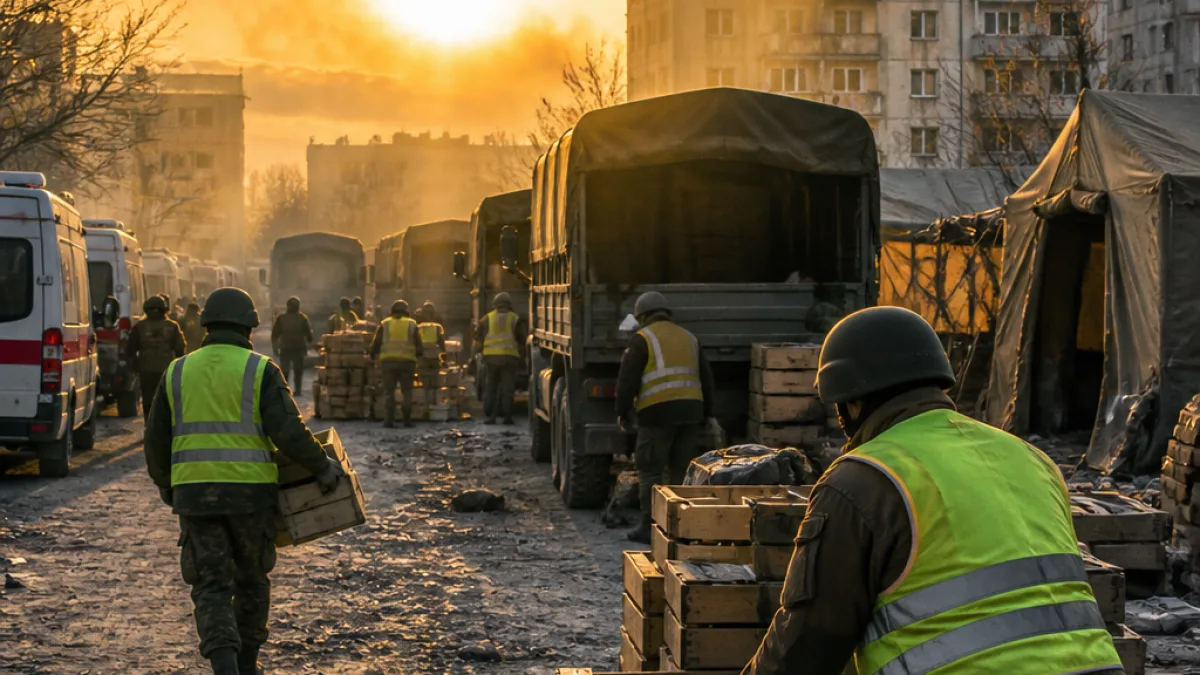
A limited truce covering the Russian‑occupied city of Oleshky in Ukraine’s Kherson region came into effect at 8:30 am IST on 27 October 2026 after an agreement brokered by the United States and publicly announced last week by US First Lady Melania Trump. Both Russia and Ukraine said they would observe the ceasefire for the humanitarian operation, although independent verification of reduced fighting was not immediately available.
What the parties said
The Russian Ministry of Defence posted on its Telegram channel that Moscow had ceased fire in the Kherson sector and introduced a “regime of silence” in connection with preparations for the humanitarian operation. Ukraine’s human rights commissioner Dmytro Lubinets said Kyiv was “fulfilling its commitments” to the ceasefire and that the sides were adhering to the agreements they reached.
“Residents who wish to evacuate will receive coordinated support and transportation to their preferred destination. I anticipate some will want to go to Russia, and some to Ukraine,” Melania Trump said when she announced the deal on 23 October 2026.
Scope and limits of the pause
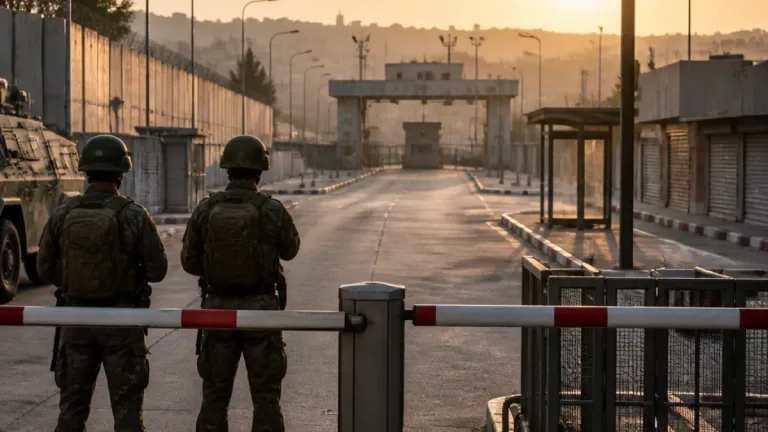
The truce applies to a narrowly defined area around Oleshky and is explicitly framed as a temporary humanitarian measure to permit delivery of aid and to enable civilians to leave if they choose. The announcement did not specify who would monitor compliance, how the humanitarian convoys would be escorted, or the exact duration of the pause. AFP reported that it could not immediately verify whether fighting had diminished after the truce took effect.
Ukraine’s military reported early on 27 October 2026 that ballistic missiles had been launched toward Kyiv, underlining that the ceasefire is confined to a single locality and does not indicate a wider halt to hostilities across the front.
Humanitarian aims and diplomatic context
The city of Oleshky has been under Russian control since early in the 2022 invasion and, according to accounts from former residents, has experienced severe shortages of food, medicine and freedom of movement. The truce was presented as a means to allow humanitarian access and to organise voluntary evacuations.
The limited agreement follows renewed diplomatic engagement: three‑way talks involving Washington, Moscow and Kyiv are scheduled to resume in November after a months‑long hiatus, according to reporting that accompanied the announcement.
- Start time: 3:00 a.m. local time (1:00 a.m. GMT) — 8:30 am IST on 27 October 2026
- Area: Oleshky, Kherson Oblast — described as a locally limited zone
- Purpose: humanitarian assistance and coordinated evacuations
| Who | Position |
|---|---|
| Melania Trump | Announced the truce, outlined evacuation support |
| Russian Ministry of Defence | Declared a ‘regime of silence’ in the Kherson sector |
| Dmytro Lubinets | Ukraine’s human rights commissioner; said Kyiv was complying |
Neither Russia, Ukraine nor the United States specified which entity would monitor the ceasefire on the ground, or gave detailed plans for the humanitarian operation accompanying the pause. The lack of an independent verification mechanism and the confined geographic scope mean the truce does not amount to a broader de‑escalation of the war.
For defence observers, the agreement illustrates how narrow, short‑term humanitarian pauses can be negotiated even amid continuing strategic confrontation. It also highlights the role of third‑party diplomacy in securing temporary operational pauses, while leaving unresolved the wider political and military questions that sustain the conflict.