New Delhi — With about 18,300 Agniveers from the first intake due to leave the three services within the next two months, the Indian Army, Navy and Air Force have put in place a package of health, welfare and reintegration measures aimed at easing the transition to civilian life.
What the forces are doing
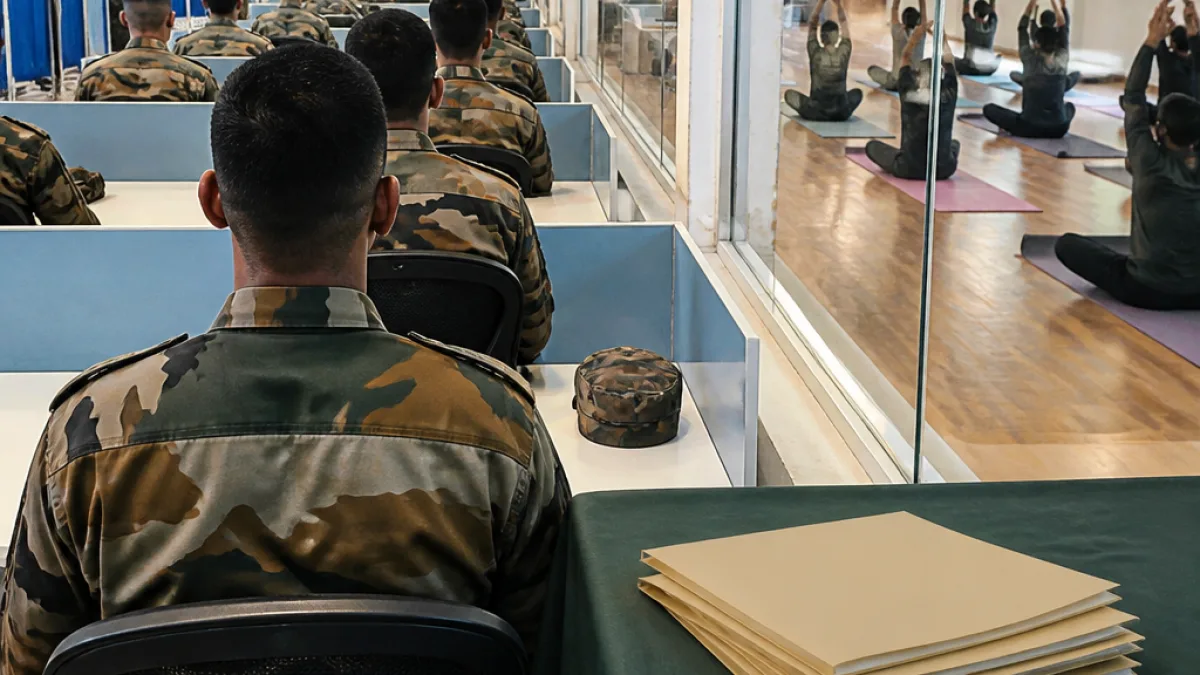
Regimental and unit centres have begun medical examinations and psychological assessments for the personnel who will be discharged after completing their four‑year engagement under the Agnipath scheme. The services have also introduced an eight‑week yoga capsule designed specifically for outgoing Agniveers.
“The structured yoga capsule focuses on enhancing physical fitness, mental well‑being and mindfulness, equipping the Agniveers with the tools for a healthy, balanced and confident transition to civilian life,” an official said.
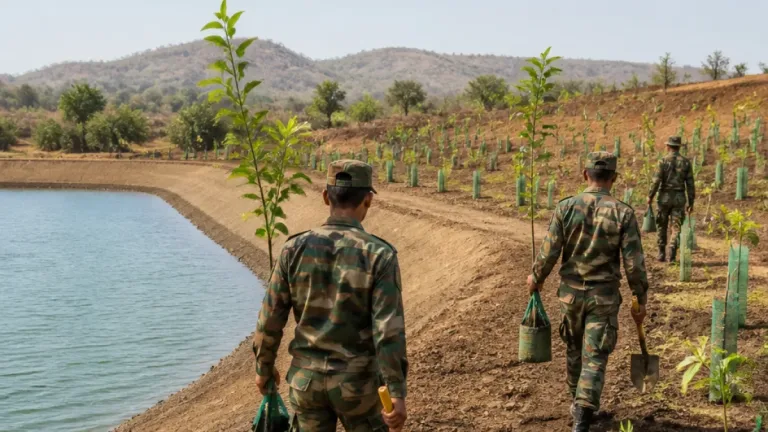
Senior officers are maintaining close oversight of the discharge process. Officials emphasised the importance of a managed transition, noting that the youths leaving the services are combat‑trained, physically fit and disciplined after four years of military life.
Employment pathways and reservations
Steps are already under way to absorb departing Agniveers into other uniformed services. The Central Armed Police Forces (CAPFs) and Assam Rifles will allocate 50 percent reservation for ex‑Agniveers in recruitment to general duty constable and rifleman posts. According to the reported arrangements, eligible Agniveers will not be required to sit the written examinations or undergo the physical standards and physical efficiency tests for these posts. The Coast Guard is also expected to take in a number of naval Agniveers.
- About 18,300 Agniveers from the first batch will be discharged over the coming two months.
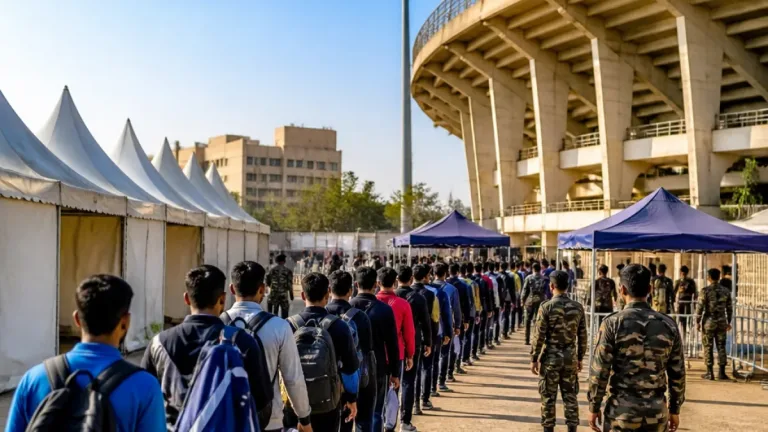
- Medical tests and psychological evaluations are being carried out at regimental centres and unit locations.
- An eight‑week yoga capsule has been developed to build fitness, mental resilience and mindfulness before release.
- CAPFs and Assam Rifles will offer 50% reservation for entry‑level posts to ex‑Agniveers; the Coast Guard will absorb several discharged naval Agniveers.
Concerns and timing
Officials told reporters that timely absorption is a priority. They warned that delays in finding employment could increase risks of frustration, depression or exploitation by criminal networks that might seek to recruit well‑trained former personnel. For that reason, authorities are urging rapid processing of re‑employment placements.
Service chiefs and senior officials are monitoring the process closely, recognising that this is the first large‑scale discharge under Agnipath and will set precedents for subsequent cohorts. The scheme, approved in June 2022, envisages that up to 25 percent of each intake may be retained in regular service while the remainder complete four‑year terms and exit.
| Item | Detail (as reported) |
|---|---|
| Number leaving | Nearly 18,300 from first batch |
| Medical and psychological checks | Underway at regimental centres and units |
| Yoga capsule | Eight weeks, focused on fitness, mental well‑being and mindfulness |
| Re‑employment quota | 50% reservation in CAPFs and Assam Rifles for GD constables and riflemen |
| Exemptions | No written or physical tests required for the reserved CAPF/Assam Rifles posts |
The measures announced so far concentrate on immediate post‑service health and placement. Officials said state governments have offered jobs to some exiting Agniveers and that authorities are facilitating transfers where possible.
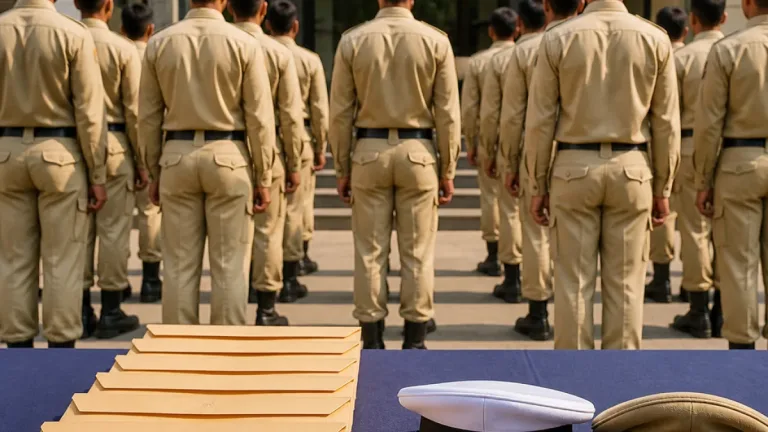
As the phased releases begin in mid‑November for the Navy, followed by the Air Force and the Army, the coming weeks will be the first major test of the systems set up to re‑integrate Agniveers into civilian employment and other uniformed services.